



From collagen-stimulating injectables to radiofrequency skin tightening, combining treatments may help address lower-face laxity at different levels for a firmer, more defined appearance.
A more defined jawline is not always about adding volume or chasing a dramatic lift. Sometimes, it comes down to rebuilding what time has gradually taken away: collagen.
As we age, collagen loss affects both the deeper support structures beneath the skin and the skin itself, contributing to softer jawlines, sagging around the lower face and reduced elasticity in the neck. And because these changes occur at different depths, one treatment may not address everything.
According to aesthetic medical practitioner Dr Alek Nikolic, a combination approach is increasingly being used to target these concerns, pairing collagen-stimulating injectables, known as biostimulators, with radiofrequency skin tightening.
The idea is to support the deeper collagen framework while improving the firmness and quality of the skin above it, without necessarily adding unwanted volume.
Why one treatment may not be enough
Collagen plays a vital role in keeping skin firm, resilient and supported. As its production declines with age, the lower face can lose definition, while the skin becomes thinner and less elastic.
Biostimulators work in the deeper layers of tissue, encouraging the body’s natural collagen production over time. Rather than simply adding volume, they aim to gradually improve tissue firmness and thickness, with results developing over several weeks to months.
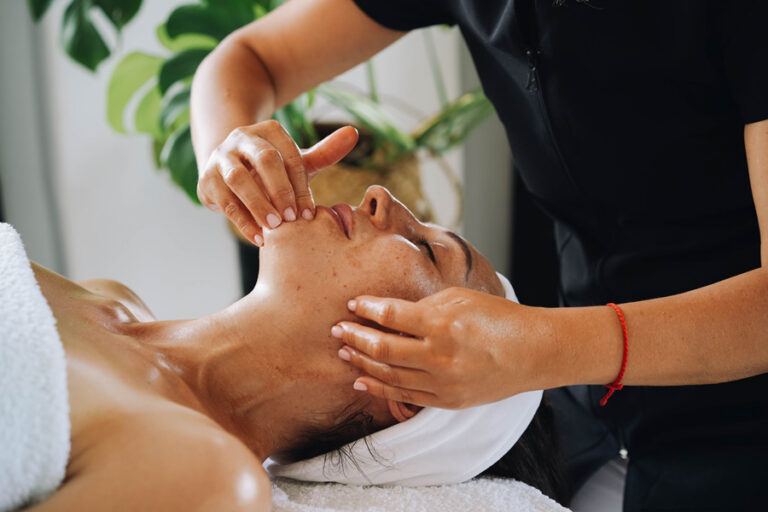
Radiofrequency skin tightening takes a different approach, using controlled heat to stimulate collagen production within the skin itself. This can help improve firmness, texture and elasticity, with generally minimal downtime.
“The biostimulator rebuilds the collagen framework beneath the skin, and the radiofrequency tightens and strengthens the skin that sits over it,” explains Dr Nikolic. “Each one addresses a layer the other cannot reach.”
However, neither treatment replaces lost support from the bone or deeper facial structures. Where this is the primary concern, a different approach may be needed, which could include carefully placed dermal filler following a thorough assessment.

Timing is everything
Collagen regeneration is a gradual process, so patience is essential. Results develop over weeks and months rather than overnight, making advance planning important for anyone hoping to see an improvement by a particular occasion.
The order of treatments depends on the individual. Where deeper collagen loss is the main concern, a practitioner may prioritise a biostimulator before addressing the skin’s surface. If laxity and texture are more prominent, radiofrequency may be considered first.
Treatments are generally scheduled on separate days, allowing time for the skin to settle and the practitioner to assess progress before deciding on the next step.
“Two people with the same concern can need very different plans,” says Dr Nikolic. “We look at how much collagen has been lost in the deeper layers and how thin and loose the skin is, and then decide which step comes first.”
For those considering treatment ahead of the festive season, starting several months in advance allows more time for collagen production and results to develop. If an event is only a few weeks away, a practitioner may instead recommend treatments focused on hydration and skin quality, depending on the individual’s needs.
What to know before booking
A consultation should assess both the deeper support structures and the condition of the skin before a treatment plan is recommended. Not everyone needs a combination of procedures, and the most appropriate option will depend on individual anatomy, skin quality, medical history and desired results.
Results from collagen-stimulating injectables can last around one to two years, depending on the product and individual factors.
Radiofrequency maintenance treatments may be recommended periodically, with frequency varying according to the technology used and the practitioner’s assessment.
Between appointments, a considered skincare routine can help support skin health. A gentle cleanser, a moisturiser that supports the skin barrier and, where appropriate, a vitamin A product can complement professional treatments. Daily sun protection is also essential for maintaining skin quality over time.
Ultimately, a firmer-looking jawline is not necessarily about doing more. It is about understanding what has changed, choosing treatments that address the right concerns and allowing time for results to develop naturally.
As with any aesthetic procedure, potential benefits, risks and alternatives should be discussed with a suitably qualified medical practitioner before proceeding.