


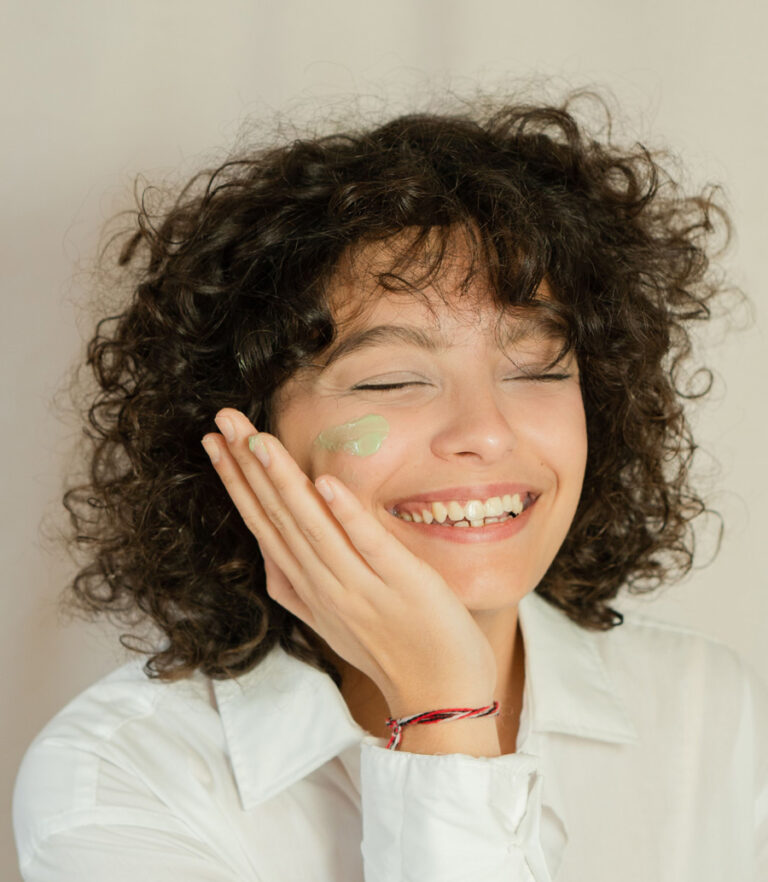

How to calm sensitive, reactive, and eczema-prone skin and support your skin barrier
Winter is here, the temperatures have dropped, and in many parts of South Africa, the dry air is wreaking havoc on their skin. Skin that stings after applying moisturiser, flushes after cleansing, or becomes itchy and uncomfortable for no obvious reason is often dismissed as simply “sensitive”. But experts say they see a clear winter spike: cold air, indoor heating, and harsh cleansers strip lipids, leaving skin more prone to dryness, tightness, and flare-ups.
According to Dr. Alek Nikolic, a leading aesthetic medicine practitioner and founder of skincare platform SkinMiles, sensitivity is not always a skin type. “Sometimes, it is your skin asking for help,” he says.
“Sensitive, reactive, and eczema-prone skin can look similar, but they are not always the same thing,” adds Dr. Nikolic. “The common thread is usually a state of your skin barrier. When the skin barrier is weakened, the skin becomes less able to hold moisture in and keep irritants out.” This is why the first step is to understand what your skin is reacting to.
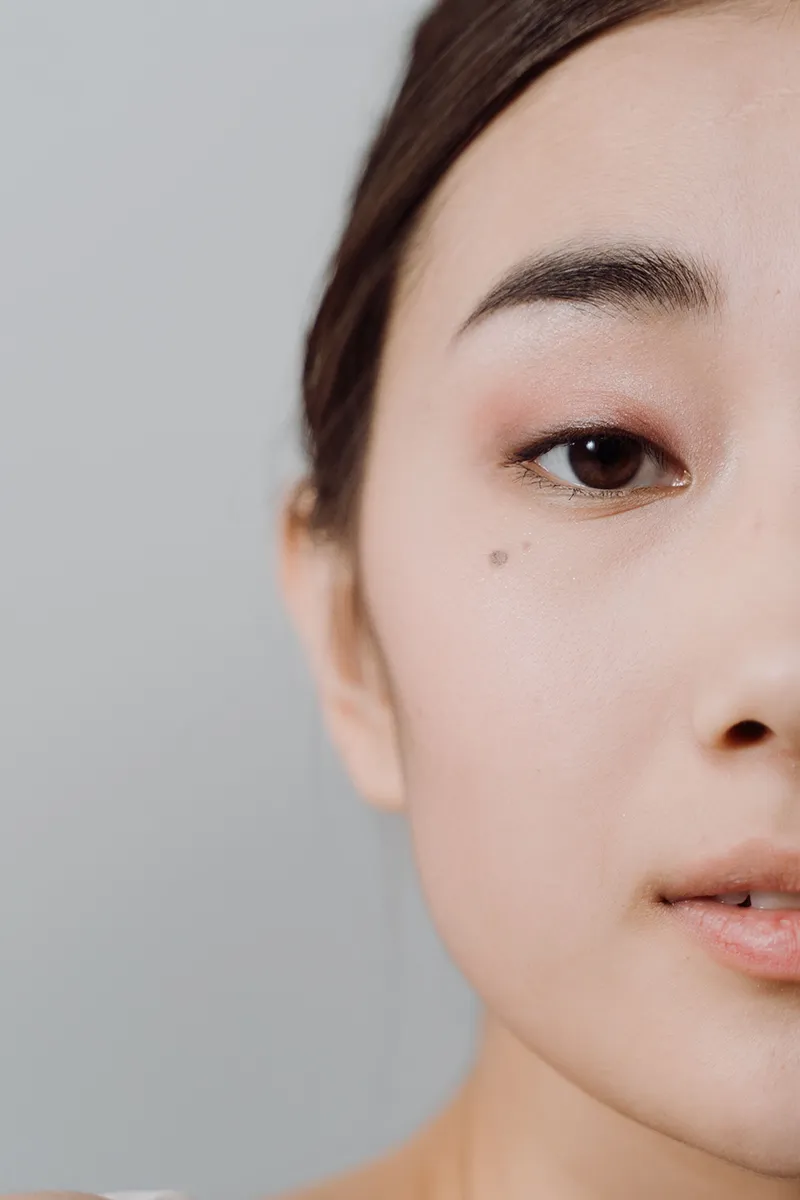
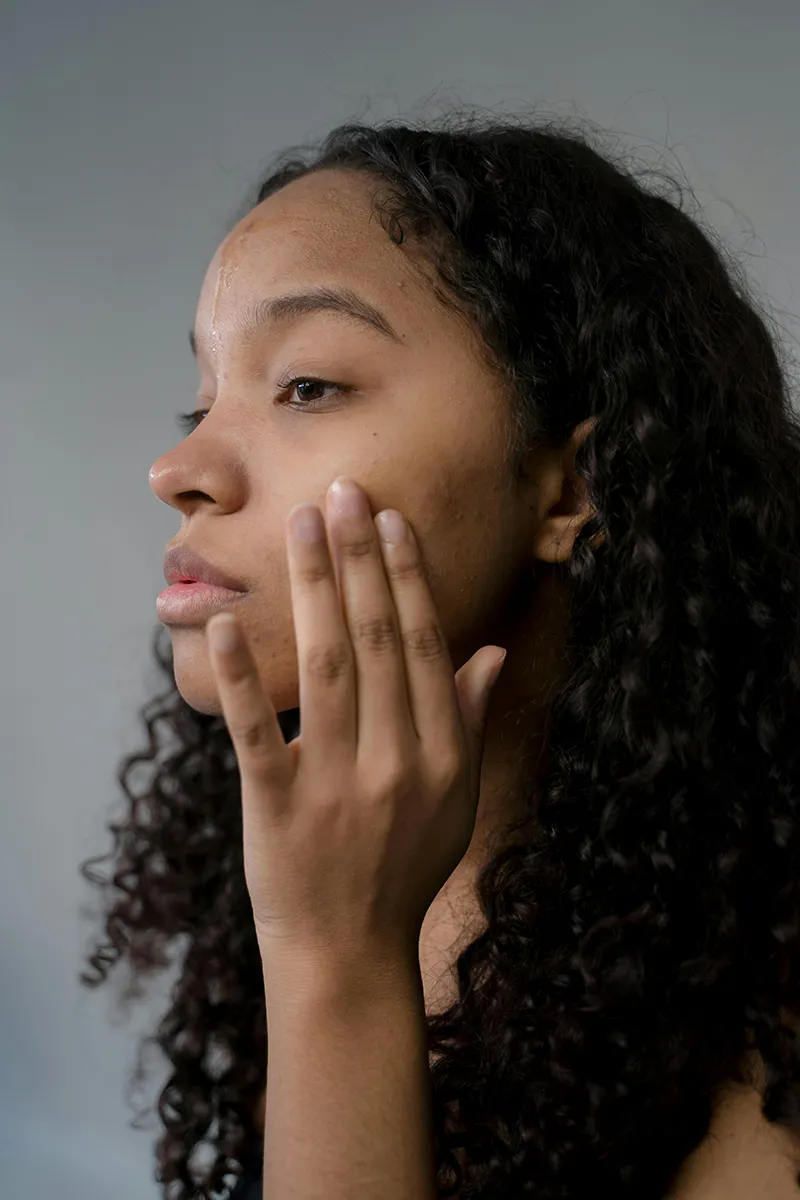
Sensitive skin: when skin feels easily irritated
Sensitive skin may sting, burn, feel tight, become red, or feel uncomfortable after products that other people tolerate well. It can be triggered by fragrance, harsh cleansers, over-exfoliation, weather changes, heat, cold, stress, or a routine that is simply too aggressive.
“The goal with sensitive skin is to calm the skin and simplify the routine,” says Dr. Nikolic. “You want fewer steps, gentler textures, and ingredients that support comfort and barrier strength.”
Dr. Nikolic’s product recommendations:
- KSURGERY LABORATORIES Sensitive RS Rich Cream – for sensitive, red skin types that need a richer, restorative cream.
- OPTODERM Sensitive Active Cream – for sensitive or sensitised skin, including redness, dryness, and barrier weakness.
Reactive skin: when your skin responds quickly
Reactive skin is often unpredictable. It may flush, sting, heat up, or become irritated soon after exposure to certain products, temperature changes, alcohol, spicy foods, sun exposure, or emotional stress. This does not always mean the skin is allergic; it may mean the barrier is fragile and the skin is over-responding.
“With reactive skin, consistency is more important than intensity,” says Dr. Nikolic. “Avoid changing too many products at once. Introduce one product at a time and give the skin space to settle.”
Dr. Nikolic’s product recommendations:
- ROOT4 RosaCalm Fusion Serum – formulated to visibly reduce sensitivity, facial redness, and signs of irritation.
- AFRAKARI Prickly Pear Elixir – a fragrance-free, single-ingredient botanical oil suitable for sensitive and reactive skin.
Eczema-prone skin: when the barrier needs deeper support
Eczema-prone skin is often very dry, itchy, rough, inflamed, or prone to flare-ups. It may appear on the face or body and can worsen with harsh soaps, fragrance, heat, sweat, stress, allergens, or dry weather. In these cases, the skin barrier needs consistent support, and irritation should be taken seriously.
“If the skin is cracking, weeping, very inflamed, or not improving, it is important to see a healthcare professional,” advises Dr. Nikolic. “Skincare can support the barrier, but eczema often needs medical management.”
Dr. Nikolic’s product recommendations:
- PHARMACERIS E-Eczema-Prone Crème – for eczema-prone skin, redness, irritation, severe dryness, scaling, itching and burning.
- SVR Topialyse Huile Lavante – a lipid-restoring cleansing oil for dry, sensitive, and eczema-prone skin.
Your routine, rewritten
If your skin is sensitive, reactive, or eczema-prone, the first rule is to reduce friction. Use a gentle cleanser, avoid fragrance where possible, pause strong exfoliating acids and retinoids during flare-ups, and focus on moisturising consistently. Sunscreen remains important but choose textures that your skin can tolerate.
“Skin that reacts easily is not difficult,” says Dr. Nikolic. “It is often telling you that the barrier is overwhelmed. When you restore comfort first, the skin usually becomes more resilient over time.”