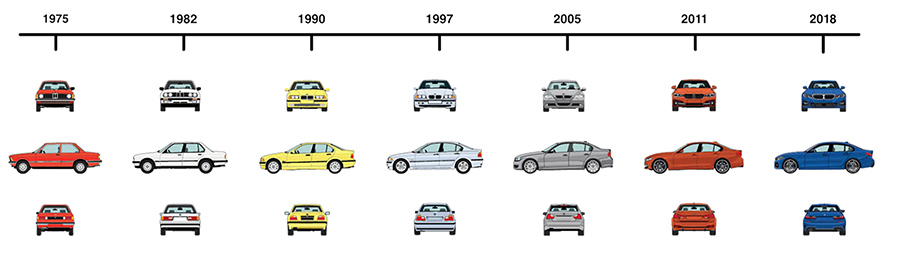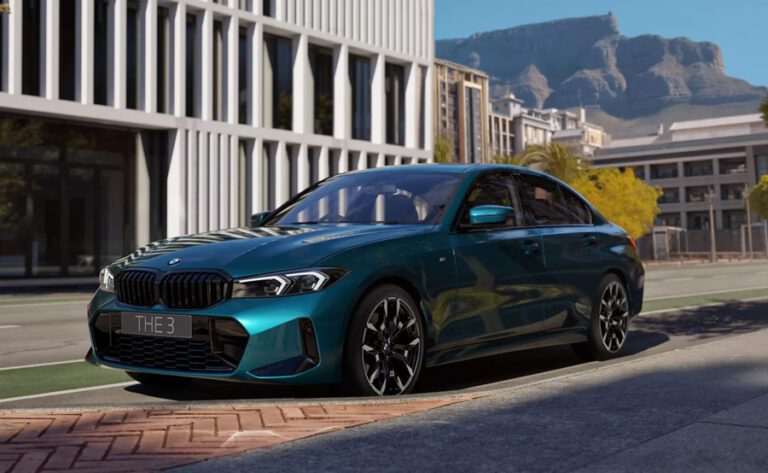

For 50 years, the BMW 3 Series has defined driving pleasure in the premium mid-size class. Across seven generations, it has set benchmarks in design, performance, and technology.
1st Generation (1975–1983)
- Power: 55–105 kW / 75–143 hp
- Variants: 2-door Sedan, Convertible (Baur Topcabriolet)
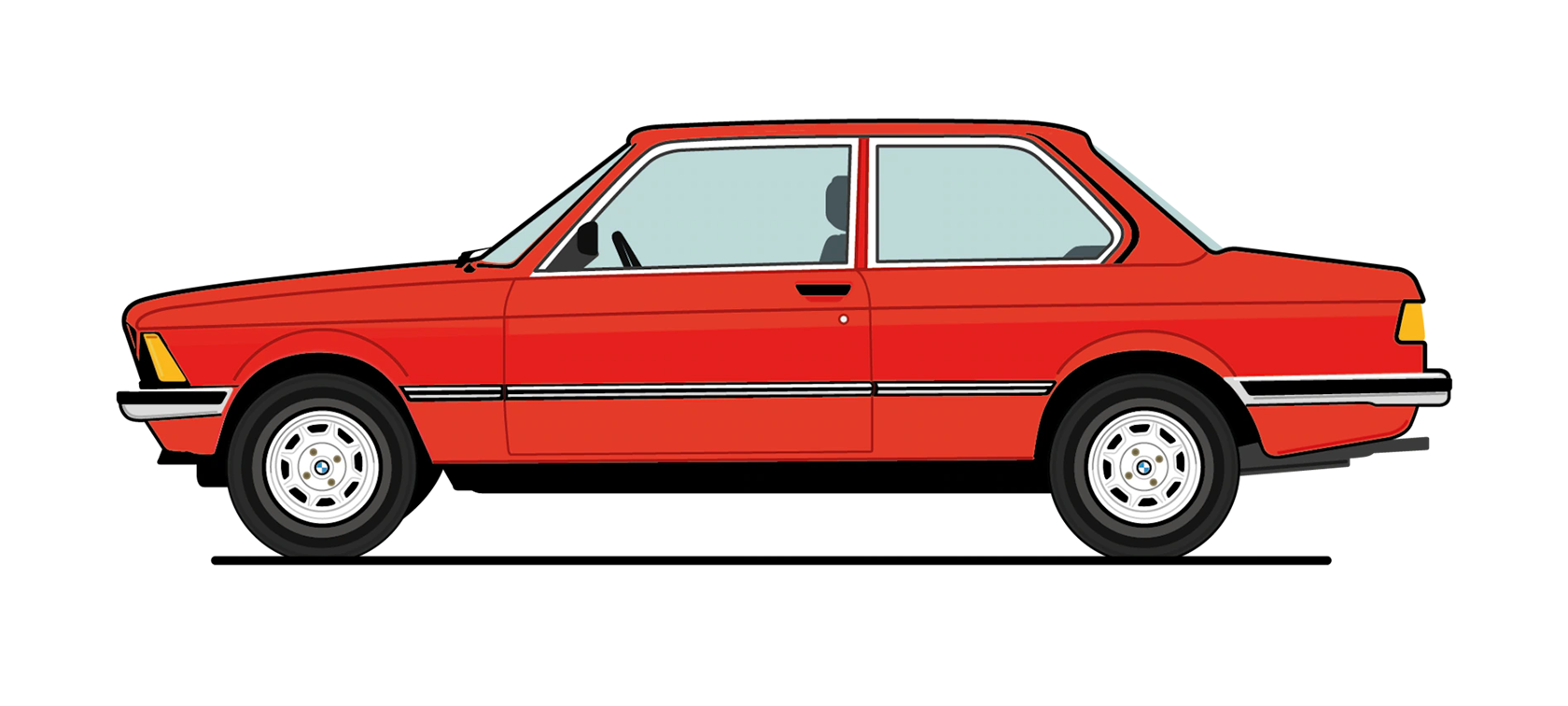
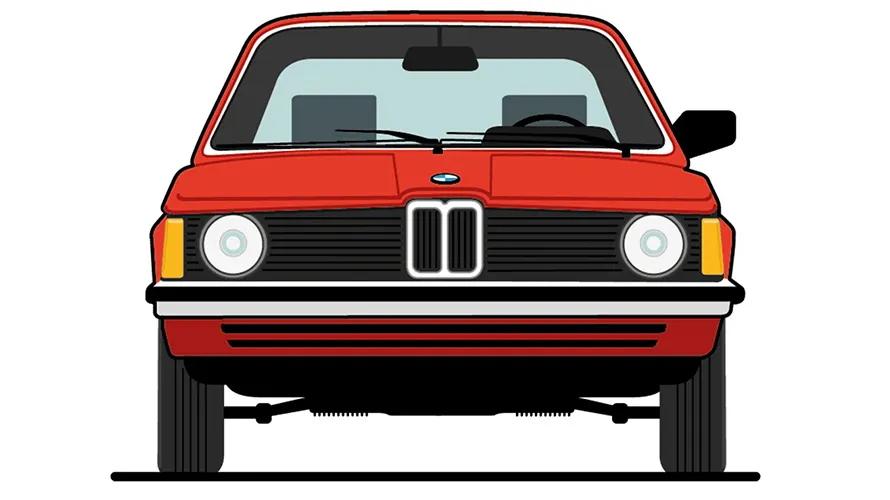
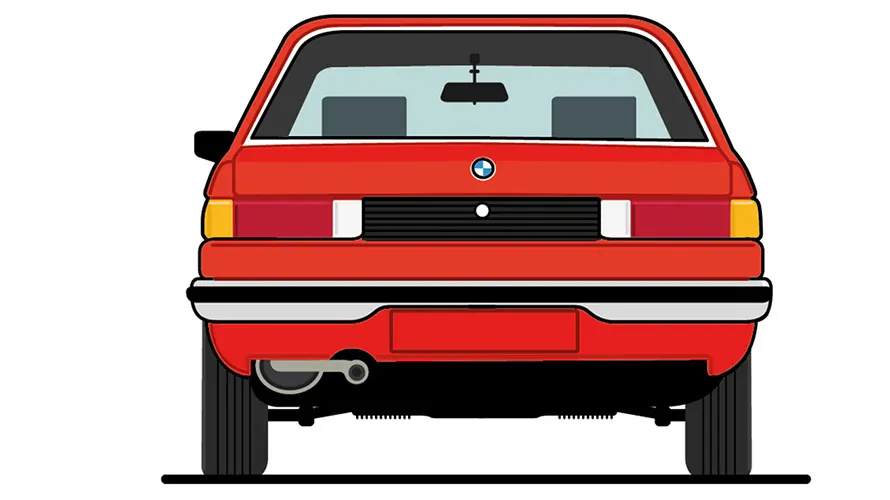
In 1975, the first BMW 3 Series debuted at Munich’s Olympic Stadium as the successor to the BMW 02 Series. Designed by Paul Bracq, it combined sporty dynamics with a distinctive raised tail and sharp crease line. Some found the rear controversial, leading to the quick addition of a black trim panel.
Innovations included the now-iconic driver-focused dashboard. Other trademark features – twin headlamps, kidney grille, Hofmeister kink – became lasting BMW design signatures. Alongside the sedan, Stuttgart-based Baur produced 4,595 semi-convertibles with rollover bars, creating the Topcabriolet.
2nd Generation (1982–1994)
- Power: 66–175 kW / 90–238 hp
- Variants: 2- & 4-door Sedans, Convertible, Touring, Baur Topcabriolet, M3 (Coupé & Convertible)
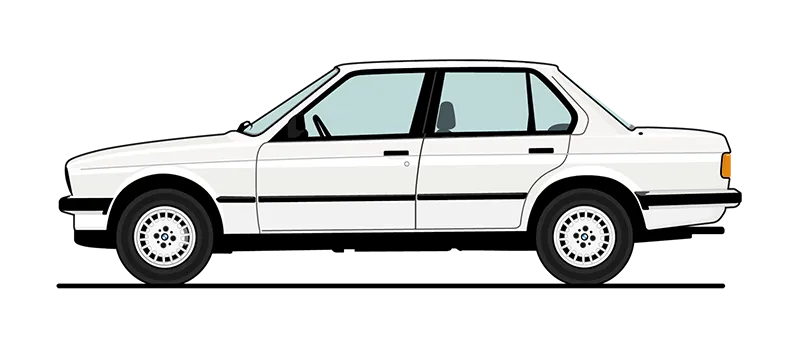
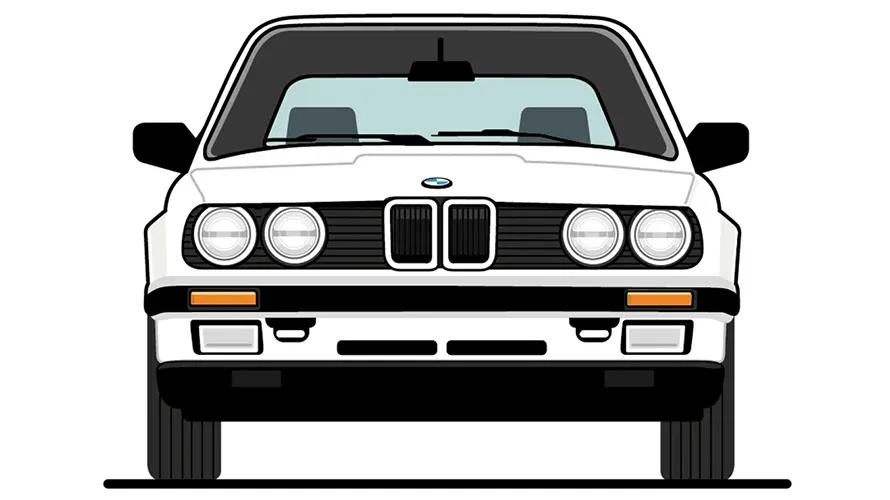
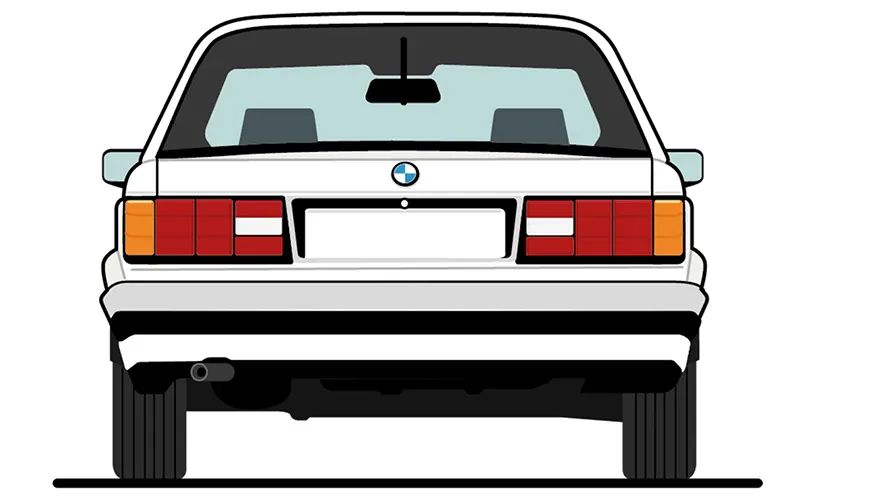
Launched in Morocco in 1982, the second generation expanded to seven variants and introduced standard twin headlights. The legendary M3, homologated for racing, cemented its motorsport legacy. In 1987, employee Max Reisböck created the first Touring model by modifying his own car for family travel – BMW embraced the idea, and the wagon was born.
3rd Generation (1990–2000)
- Power: 73–236 kW / 99–321 hp
- Variants: Sedan, Coupé, Convertible, Touring, Compact, M3 (Sedan, Coupé, Convertible)
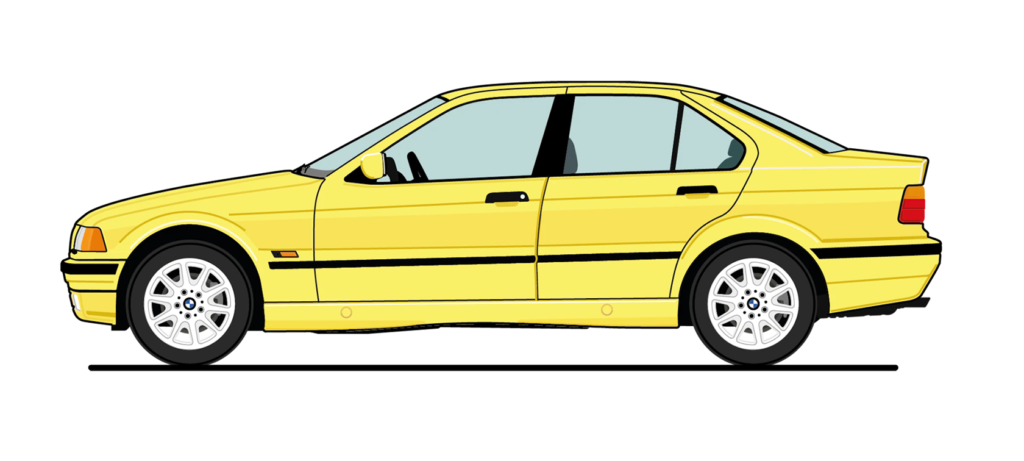
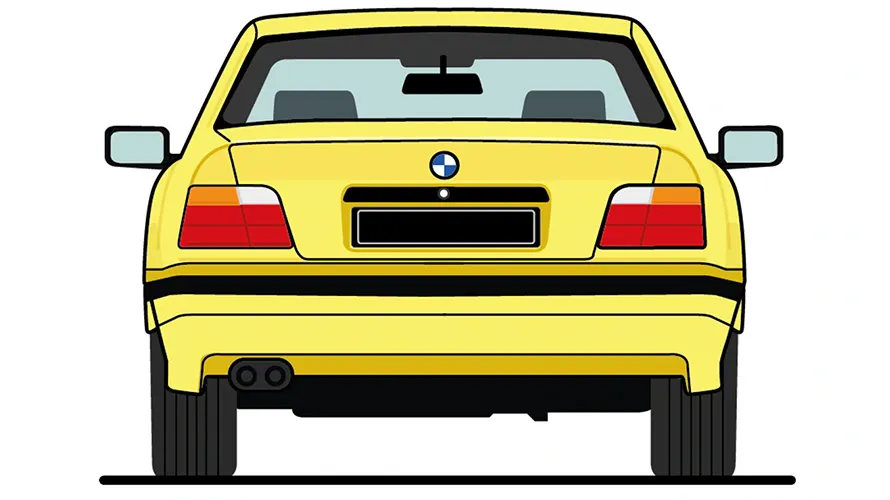
With sleeker, coupé-inspired lines, the third generation introduced eight body styles, including the new Compact hatchback in 1994. Sharing its front with other models but shorter at the rear, the Compact became the third-best seller behind the Sedan and Coupé.

4th Generation (1997–2006)
- Power: 77–265 kW / 105–360 hp
- Variants: Sedan, Coupé, Convertible, Touring, Compact, M3 (Coupé & Convertible)
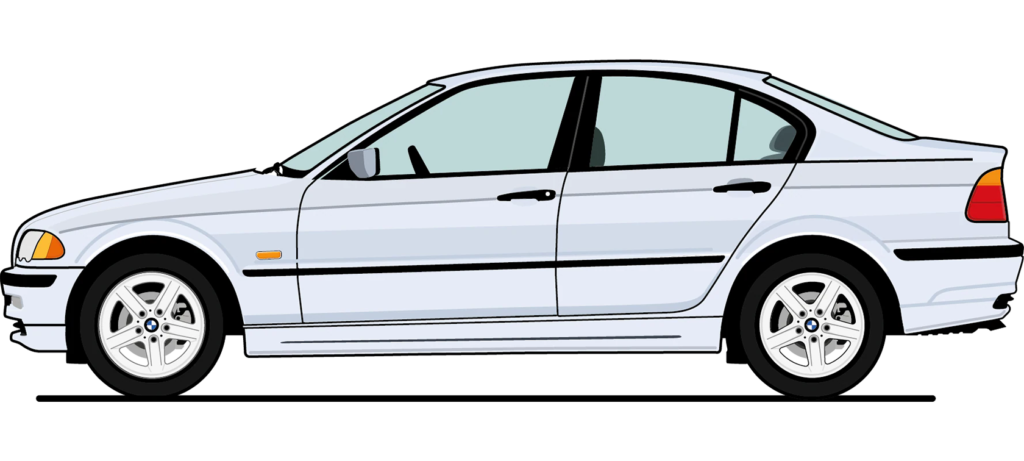
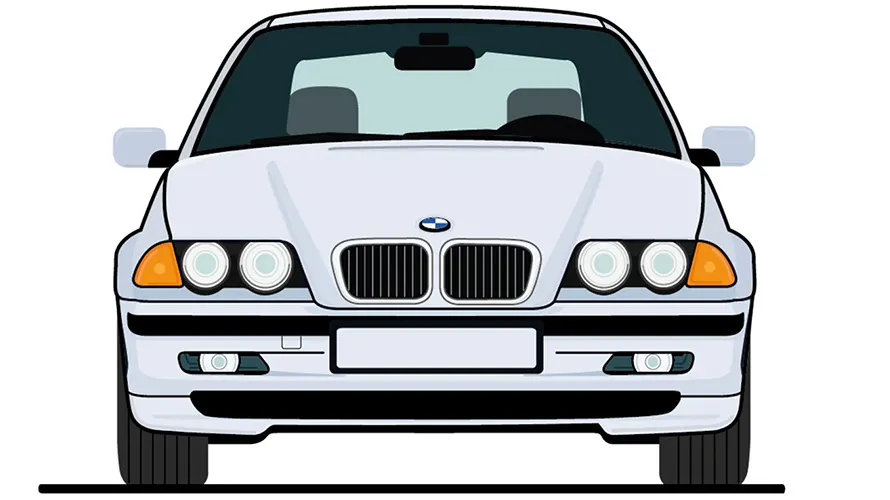
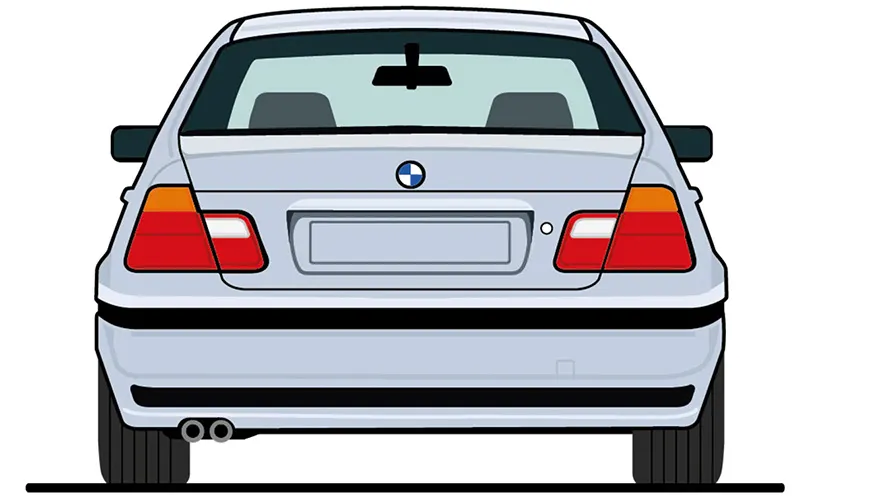
Launched in 1997, this generation refined BMW sedan design with a more curved roofline and spacious interior. The strategy paid off: selling over 3.2 million units, it remains the best-selling BMW of all time.
5th Generation (2005–2013)
- Power: 90–331 kW / 122–450 hp
- Variants: Sedan, Coupé, Convertible, Touring, M3 (Sedan, Coupé, Convertible)
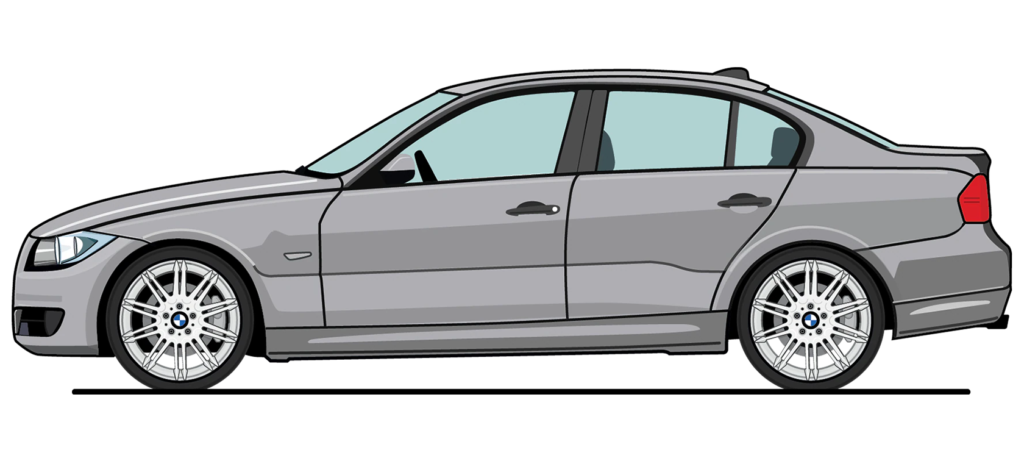
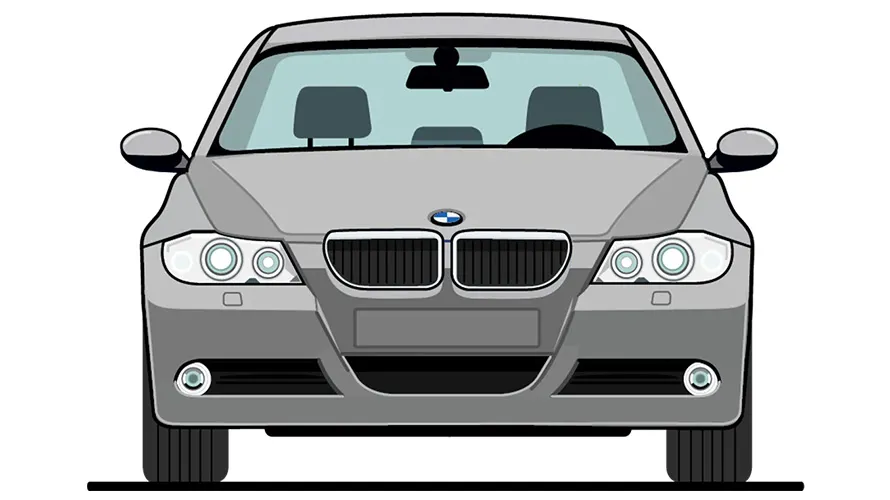
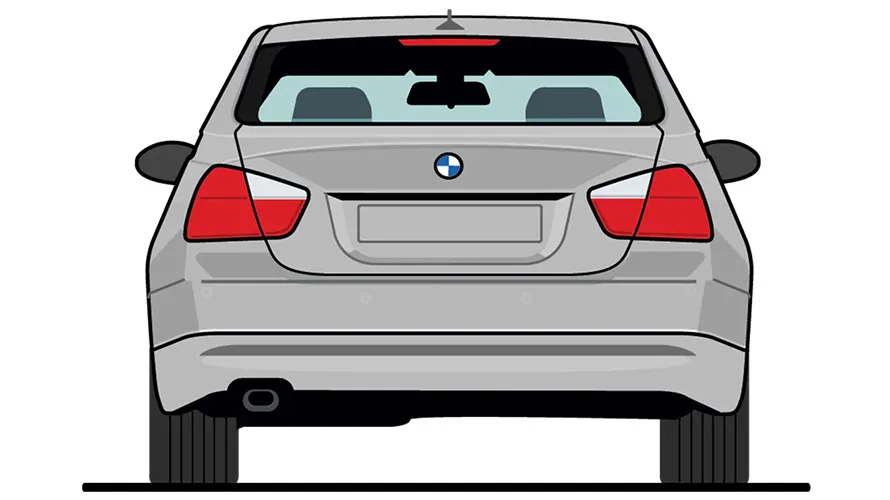
Debuting at the Geneva Motor Show in 2005, the fifth generation won “World Car of the Year” in 2006. Variants diverged more distinctly in design, with the M3 Sedan fusing Coupé and Sedan elements. BMW even built a quirky M3 pickup for factory use.
6th Generation (2011–2018)
- Power: 85–338 kW / 116–460 hp
- Variants: Sedan, Touring, Gran Turismo, M3
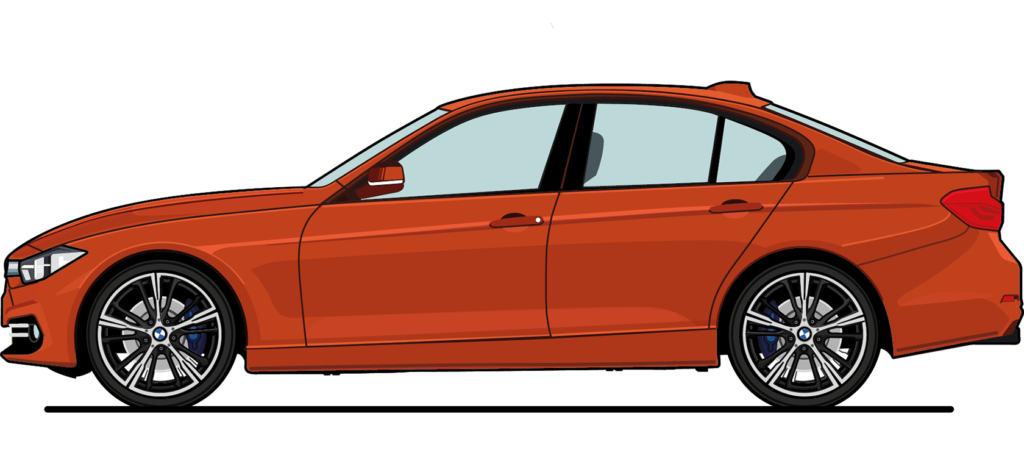
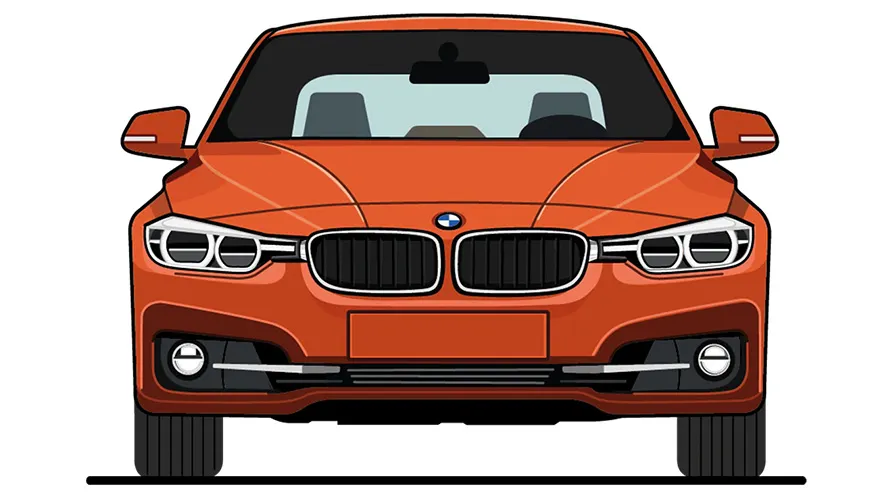
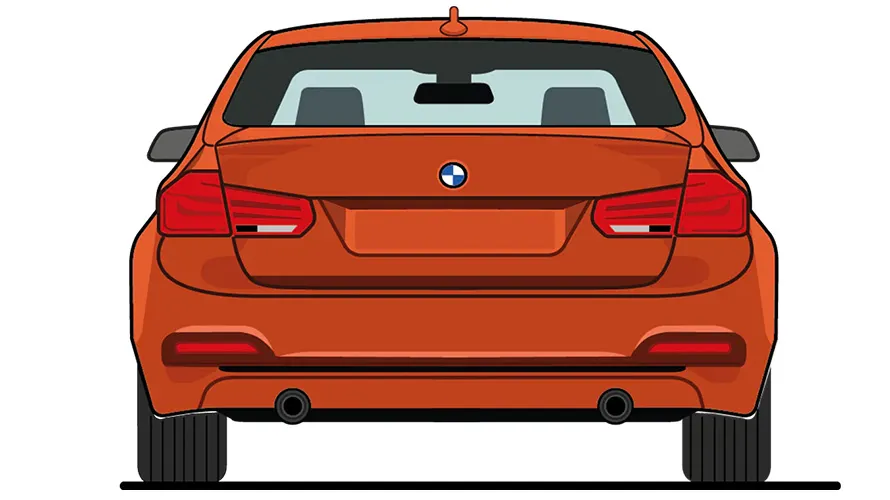
The sixth generation added turbocharged engines and, for the first time, hybrid options. It grew in size, spawning the Gran Turismo variant with more space and comfort. Customisation flourished with new trim lines (Modern, Sport, Luxury), while Coupé and Convertible models spun off as the new BMW 4 Series.
7th Generation (2018–Today)
- Power: 110–405 kW / 150–550 hp
- Variants: Sedan, Touring, M3 (Sedan & Touring)
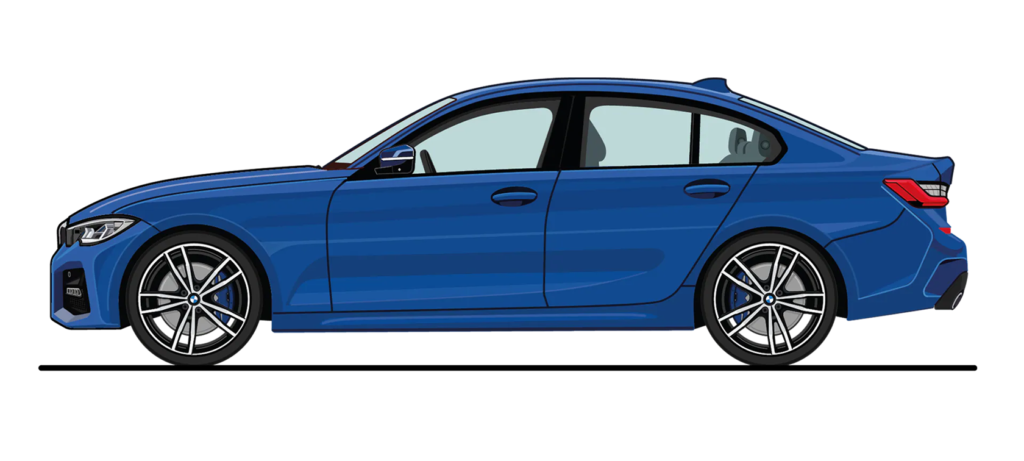
Blending tradition with innovation, the seventh generation enhances digital connectivity, hybrid tech, and performance options up to 550 hp. Signature design cues like short overhangs, twin headlights, and the Hofmeister kink ensure the 3 Series remains instantly recognisable – and as dynamic as ever.
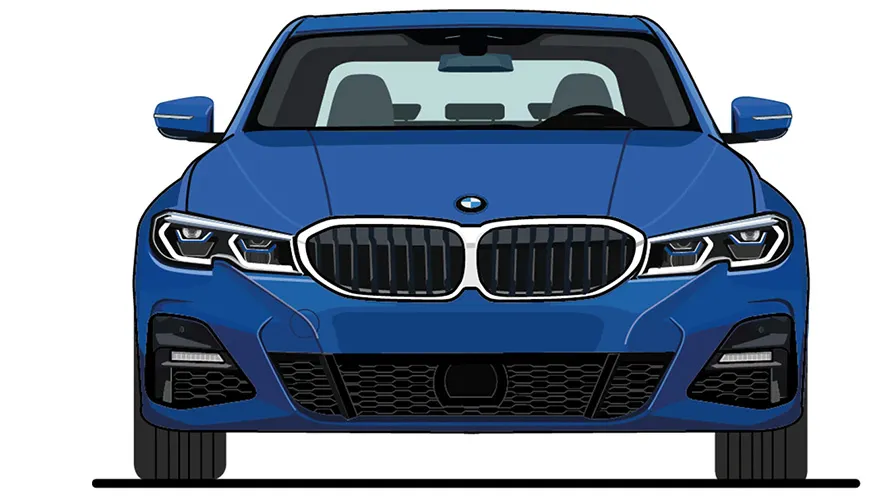
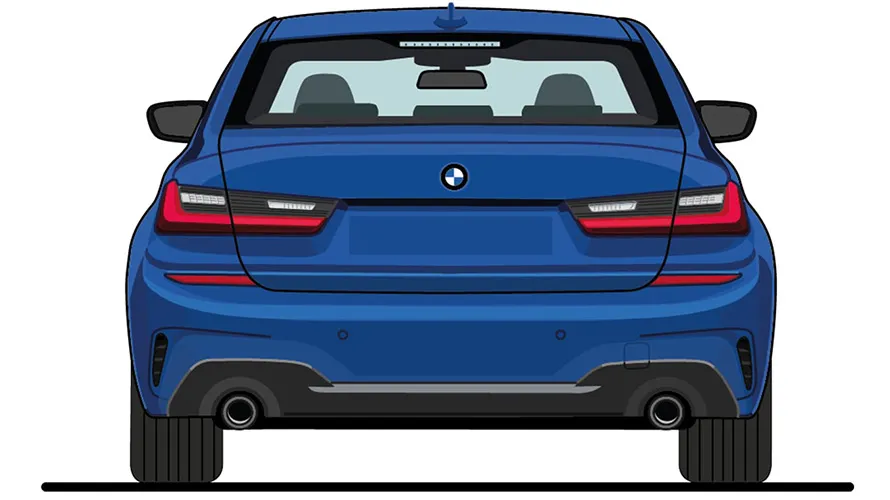
From township races in Mzansi to global motorsport circuits, this isn’t just a car, it’s a symbol. It’s proof that sublime engineering can transcend borders and become woven into community identity.
So now, on its 50th year, the 3-Series remains more than metal and horsepower, it’s culture, legacy, and passion.