


For years, travel was about seeing more, doing more and fitting as much as possible into every itinerary. Today, however, a growing number of travellers are choosing a different approach. One that values connection over checklists, experiences over excess and purpose alongside pleasure.
Conscious travel is not about sacrificing comfort or giving up the occasional indulgence. It is about making thoughtful choices that benefit the places we visit while creating richer, more meaningful journeys for ourselves. Whether that means checking into a conservation-led safari lodge, staying at a family-run guesthouse, embracing a slow staycation close to home, or supporting local artisans along the way, the idea is simple: travel in a way that leaves a positive impact.
Surprisingly, this often makes for a much more rewarding getaway.
Slow Down and Stay A While
One of the easiest ways to travel more consciously is to spend more time in fewer places.
Instead of hurrying from one city or attraction to another, try slowing down and really getting to know a place. Walk around without a plan. Visit the same local café more than once. Find hidden spots that are not in the guidebooks. Let yourself get lost and enjoy the adventure – you never know what you might find.
This approach works well for staycations too. Sometimes the best way to recharge is close to home. Spending a weekend in your own city, staying at a nearby boutique hotel, or taking a quiet trip to the winelands can give you a real break without the need for long-distance travel.
Travelling slowly, whether near or far, not only reduces environmental impact but also allows for a deeper appreciation of place, people and everyday life.

Shop Local, Eat Local
If you want your travel budget to make a meaningful difference, follow the locals.
Choose independent accommodation where possible, browse local markets and seek out family-owned restaurants. Not only does this support local economies, but it often results in more authentic experiences.
Food, in particular, offers a wonderful gateway into a destination’s culture. From long vineyard lunches in the Cape to fresh seafood by the coast, or a slow, sun-drenched table-hopping rhythm through the Greek islands or coastal Italy, eating locally allows you to experience a place through its rhythm and flavour.
Safari With Purpose
Closer to home, safari travel offers one of the most compelling examples of conscious tourism in action.
In Southern Africa, many lodges and reserves show that luxury and sustainability can work together. You can enjoy world-class hospitality while also supporting conservation, wildlife protection, and community projects.
From anti-poaching efforts and habitat preservation to local employment and education projects, these experiences are about far more than game viewing. They become a way of actively supporting the landscapes and wildlife that make them so extraordinary.
The result is a safari that feels both deeply luxurious and genuinely meaningful.
Choose Experiences Over Things
The best souvenirs are rarely found in a gift shop.
Years later, you will probably remember a sunrise game drive, a cooking class, or a spontaneous chat with a local much more than anything you bought on your trip.
Conscious travel is about collecting memories, not things. These experiences stay with us long after the holiday is over.
And in many cases, these are the moments that feel the most personal, immersive and unforgettable.
Respect the Places You Visit
Every destination has its own customs, traditions and way of life. Taking a little time to understand them before you arrive can transform the way you travel.
Learning a few local phrases, respecting cultural norms and being mindful of etiquette are small gestures that go a long way.
The same applies to the natural environment. Stay on designated paths, avoid disturbing wildlife and leave places as you found them. Responsible travel is often built on small, everyday decisions.
Seek Out Sustainable Stays
Accommodation choices are one of the most powerful ways to travel more consciously.
From eco-certified hotels and regenerative farm stays to conservation-driven safari lodges, there are more options than ever for travellers who want their stay to reflect their values.
Sustainability does not mean compromising on comfort. In fact, many of these properties are among the most thoughtfully designed and memorable places to stay.
Even choosing a staycation at a boutique hotel close to home can be a way of supporting local hospitality while enjoying a slower pace of travel.
Conscious Escapes: Places Doing It Right
Across South Africa, a growing number of hotels and lodges are quietly redefining what luxury travel looks like. Here, sustainability is not an add-on but part of the experience itself, woven into everything from food and farming to conservation and community upliftment.
Bushmans Kloof Wilderness Reserve & Wellness Retreat
Bushmans Kloof sits in the Cederberg mountains and is both a nature retreat and a place rich in culture. The reserve protects rare flora, ancient rock art, and large areas of wild nature, giving guests a peaceful escape focused on heritage and conservation.



Babylonstoren
Babylonstoren is a working farm that highlights the beauty of living with the seasons. Its gardens, orchards, and farming methods influence everything from the food served to the guest experience, helping visitors connect with the land.


Grootbos Private Nature Reserve
Grootbos is an eco-luxury reserve between the mountains and the sea, focused on protecting the Cape’s unique fynbos biome. Its conservation and community programs ensure that every visit benefits both the environment and local people.

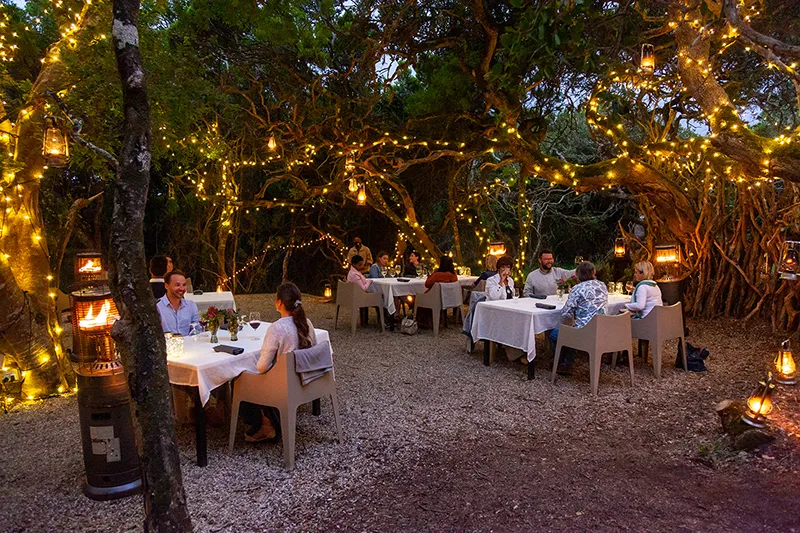

The Vineyard Hotel
Set beneath Table Mountain, The Vineyard blends city convenience with a strong environmental ethos. Indigenous gardens, energy-efficient systems and a long-standing commitment to responsible hospitality make it one of Cape Town’s most quietly sustainable stays.



The Peech Hotel
A serene urban retreat in the heart of Johannesburg, The Peech combines contemporary design with thoughtful sustainability. From its partnerships with local communities to its eco-conscious operations, it proves that city stays can be just as intentional as remote escapes.



Ultimately, conscious travel is about presence.
It’s choosing the scenic route. Staying a little longer. Talking to people you might otherwise pass by. Supporting places that care for their environment and communities. And allowing yourself to slow down enough to actually experience where you are. It’s not about perfection. It is about awareness.
In a world that often feels busy and overwhelming, this kind of travel can feel like the greatest luxury.