



By Grant Slabbert, Moissanite SA
A few years ago, lab-grown diamonds were sold as the clever way to get a real diamond for less. Since then, prices have collapsed. Dealers now trade a good one-carat lab-grown stone for around R1,000. Set in a ring at a South African jeweller, the same carat can sell for anything from R5,500 to R15,000.
There’s nothing sinister in that. Design, gold, a goldsmith’s hours and a guarantee all cost money. But it gives you an idea of what the stone itself could be worth the day after you buy it, which isn’t much. If you’re planning to propose this December, that’s worth knowing before you choose.
Most couples who contact us have already decided against a mined diamond. What they’re stuck on is the next question: lab-grown diamond or moissanite? I sell moissanite, so weigh what I say accordingly. But nearly everything written on this subject is American and priced in dollars, so here’s the South African version, including where lab-grown wins.
Two different stones
A lab-grown diamond is a diamond. It’s carbon, identical in its essential properties to a mined stone, grown in a machine over a few weeks or months instead of underground over billions of years. You can’t tell them apart without specialised equipment.
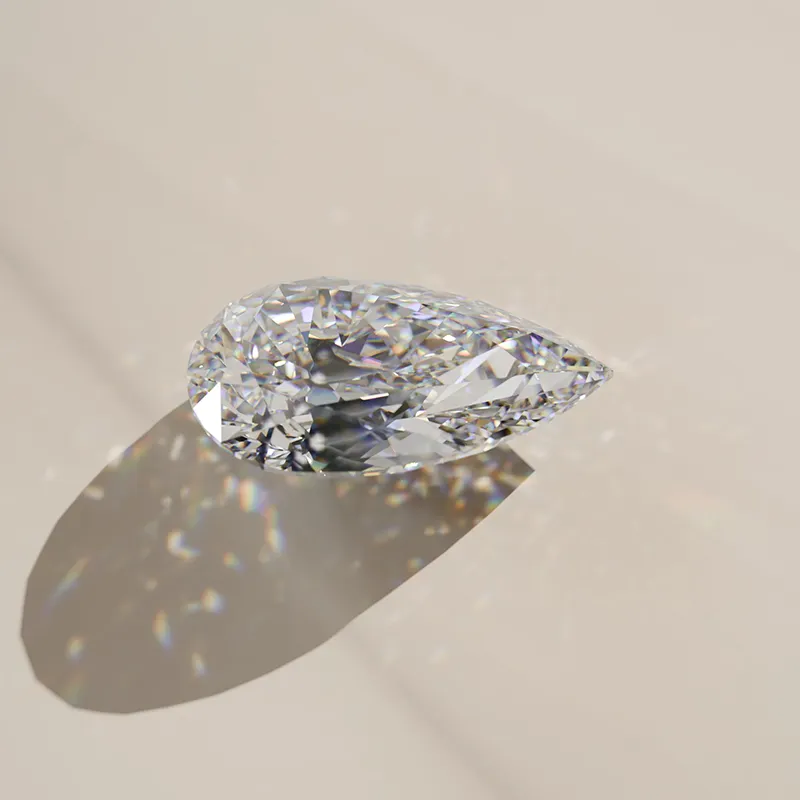
Moissanite is silicon carbide. The French chemist Henri Moissan found tiny crystals of it in a meteorite in 1893, and it’s so rare in nature that virtually every moissanite gem used in jewellery is made in a lab. So it’s lab-grown, but it is not a lab-grown diamond. If anyone sells it to you as one, walk away.
How they sparkle
Hold the two up in sunlight and you’ll see it straight away. Moissanite bends light more than diamond and splits it into colour more than twice as strongly, so it throws little rainbows. A diamond’s sparkle is whiter and quieter.
Some people love the colour. Others find it a bit much, especially in a big stone. That’s taste, and the best reason to look at both in daylight before deciding. If you want the classic white diamond look, lab-grown will give you that and moissanite won’t quite.
Will it last?
Diamond is the hardest naturally occurring mineral, scoring 10 on the Mohs scale, and on scratch resistance, lab-grown wins. Moissanite scores 9.25, above sapphire and ruby. It also has excellent toughness and is highly resistant to chipping. Either will cope with daily wear for the rest of your life.
What it costs
A one-carat round moissanite in the top colour and clarity grades (DEF, VVS) costs about R2,400 loose. Two carats is around R4,000. Against the lab-grown prices above, the same budget buys a noticeably bigger stone or leaves more for the ring.
Neither stone is an investment. Lab-grown keeps getting cheaper to make, putting pressure on second-hand prices, and there’s no real resale market for moissanite either. Buy the one you want to wear. For what it’s worth, moissanite won’t go cloudy or change colour.
Three checks before you buy moissanite
Moissanite is all over the internet now, and a lot of it is poor quality. Before you pay:
1. Get the colour grade in writing. D, E and F are colourless. G to I have a slight warmth you’ll notice in a larger stone, especially in white gold. A “D colour” two-carat stone for a few hundred rand should make you suspicious.
2. Know what the certificate is. Most moissanite comes with a GRA card. It confirms the stone is moissanite and should match a tiny number lasered onto its edge. But the manufacturer usually orders it, so it isn’t independent grading, and two stones that both say “D” can look different side by side.
3. Don’t rely on a basic diamond tester. Moissanite conducts heat like diamond, so a basic tester can beep “diamond”. That says nothing about quality, and a seller who leads with it is telling you something about themselves.
Have the ring made here
You don’t have to buy a finished ring from overseas. Buy the loose stone and take it to a jeweller near you to make the setting. It’ll fit properly, someone down the road can resize or tighten it later, and the work stays with a South African goldsmith.
Whichever stone you choose, you’ll wear it every day for a very long time. Pick the one you like looking at.
Grant Slabbert runs Moissanite SA, which has supplied moissanite in South Africa since 1999. A full side-by-side comparison is available at www.moissanite.co.za/lab-grown-diamonds-vs-moissanite-a-comprehensive-guide-to-making-the-right-choice.