



I think all South Africans’ hearts skip a beat when we discover a sliver of home abroad, and if you’re willing to look, there’s plenty of the Mzanzi magic to be found. After a recent visit to Babylonstoren’s UK property, The Newt, a fellow journalist asked if I’d been to the other stylish farm that was proudly South African-owned. Needless to say, it wasn’t long before the car was again pointed towards the Southeast of England, this time to the Jurassic Coast.

While no behemoths cruise the region today, a dramatic and fossilised coastline is befitting of the name, and minutes inland, a notable farmstay. Louma Country Hotel is the Northern Hemisphere cousin of Johannesburg’s Saxon Hotel and Spa – owned by the same family. Husband and wife Louis and Emma are the proud custodians and narrated the story of Louma’s genesis.
“When we first discovered the property, we didn’t actually know the area well at all. We were living in America, and when the details were sent, we initially said, ‘This is not going to work for us.’ We asked our friends and family to go and visit so we could understand what all the fuss was about. After they visited, their reactions were synonymous: ‘You really need to come and see this place, because you won’t believe the view.'”
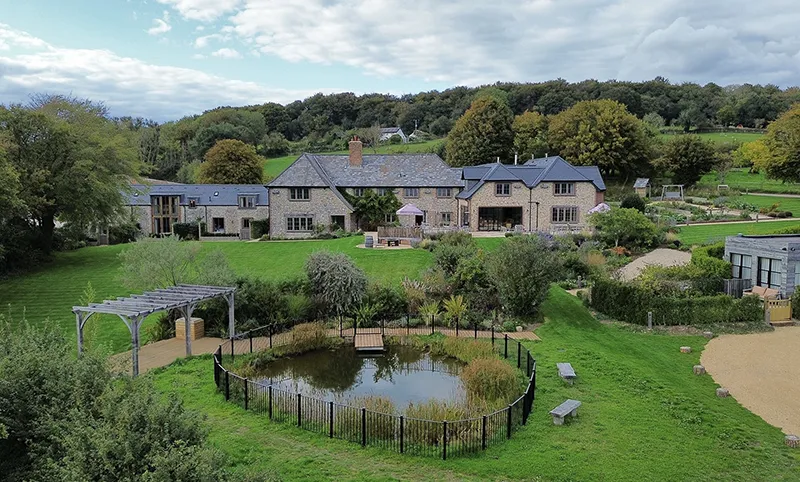
Needless to say, they subsequently visited and fell in love. Barely a year open, Louma encompasses around 100 acres of beautiful English countryside. The farmhouse stares proudly over the land: vineyards and fields that cascade down the property, and in the far distance, a strip of ocean is the reminder of the shoreline, a 10-minute drive away. All this, circled by bands of ingenious woodland, giving an enchanted feel.
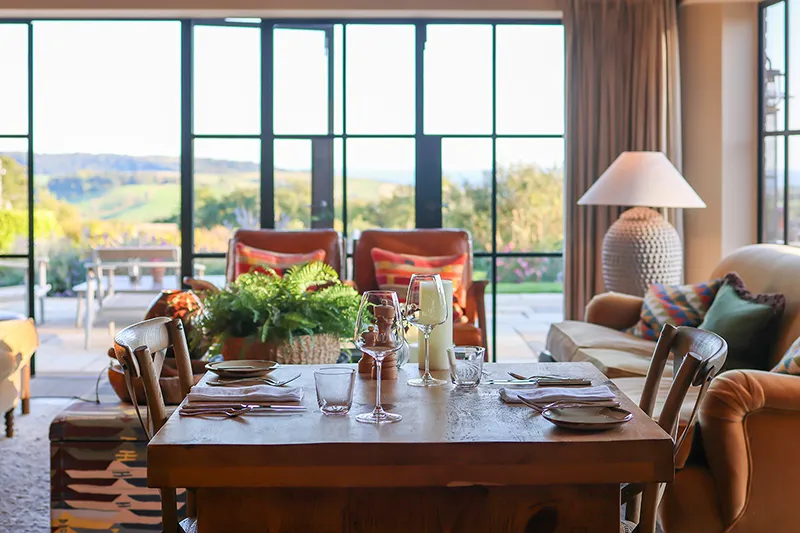
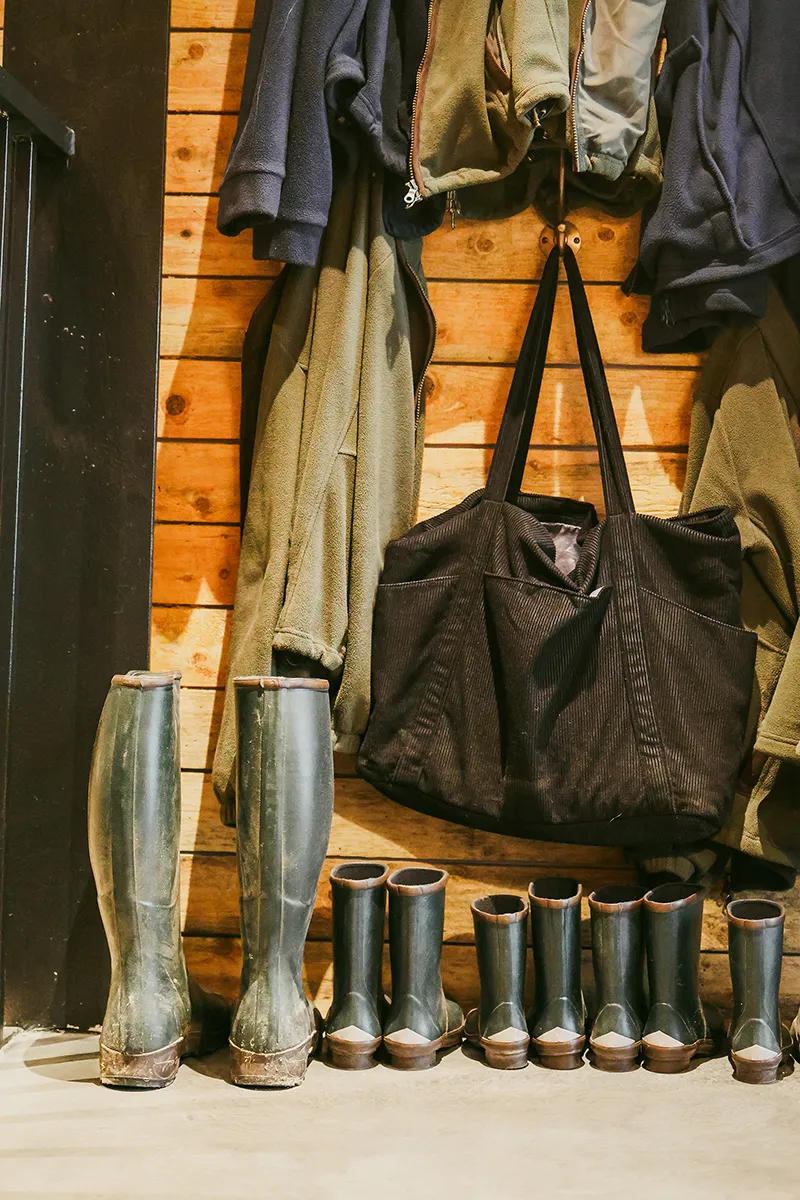
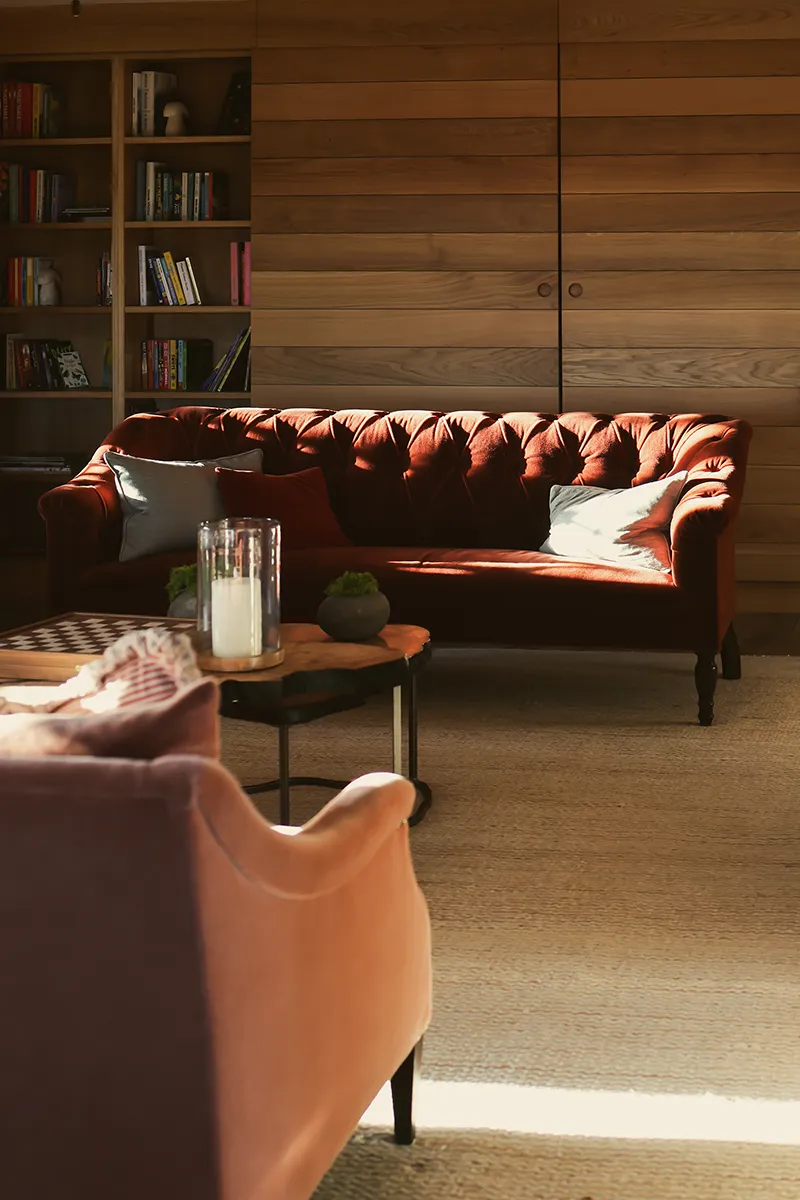
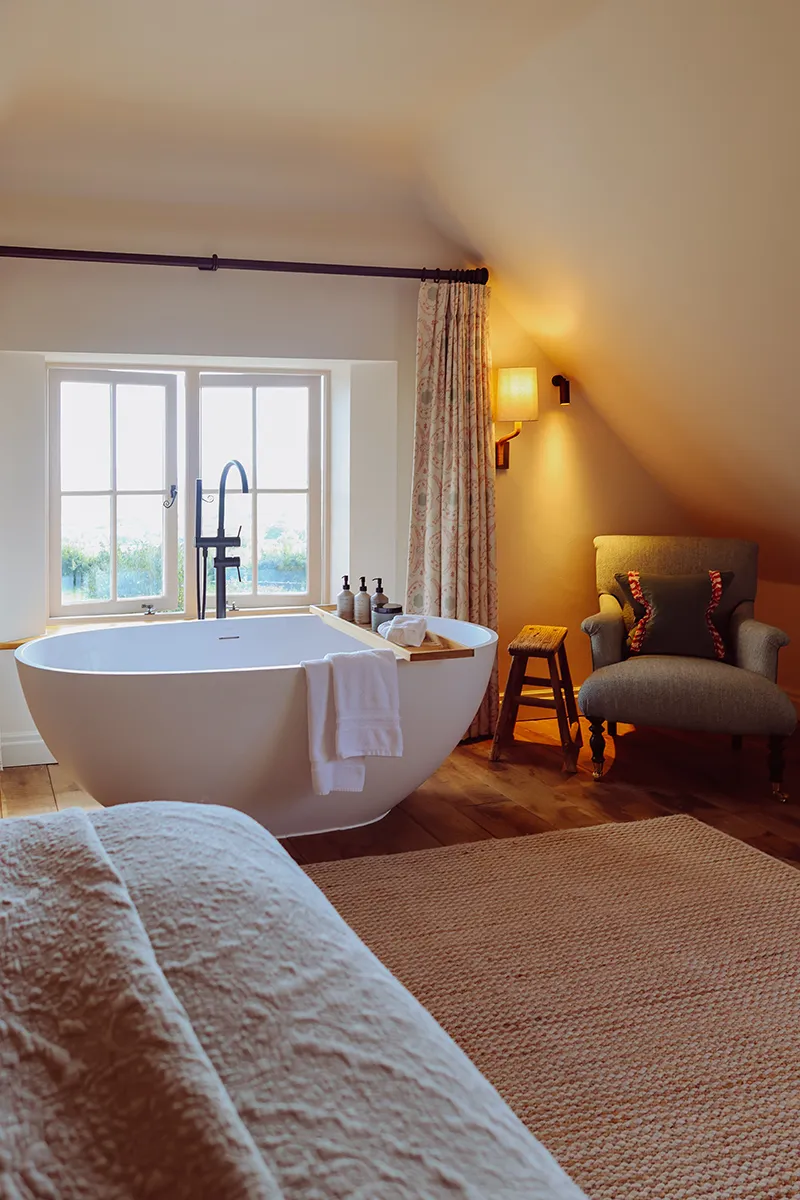
Louma follows a line of ‘back to the land’ immersive stays, aimed at helping guests reconnect with themselves and the land. There’s an unpretentious elegance that makes you feel comfortable enough to put your feet up on the sofas, ask the gardener a question in person, or watch food being prepared in the farmhouse kitchen. Best of all: the farm doesn’t permit day visitors, so the entire property is exclusively for you and the handful of other guests privileged to stay.

Fresh from the Farm
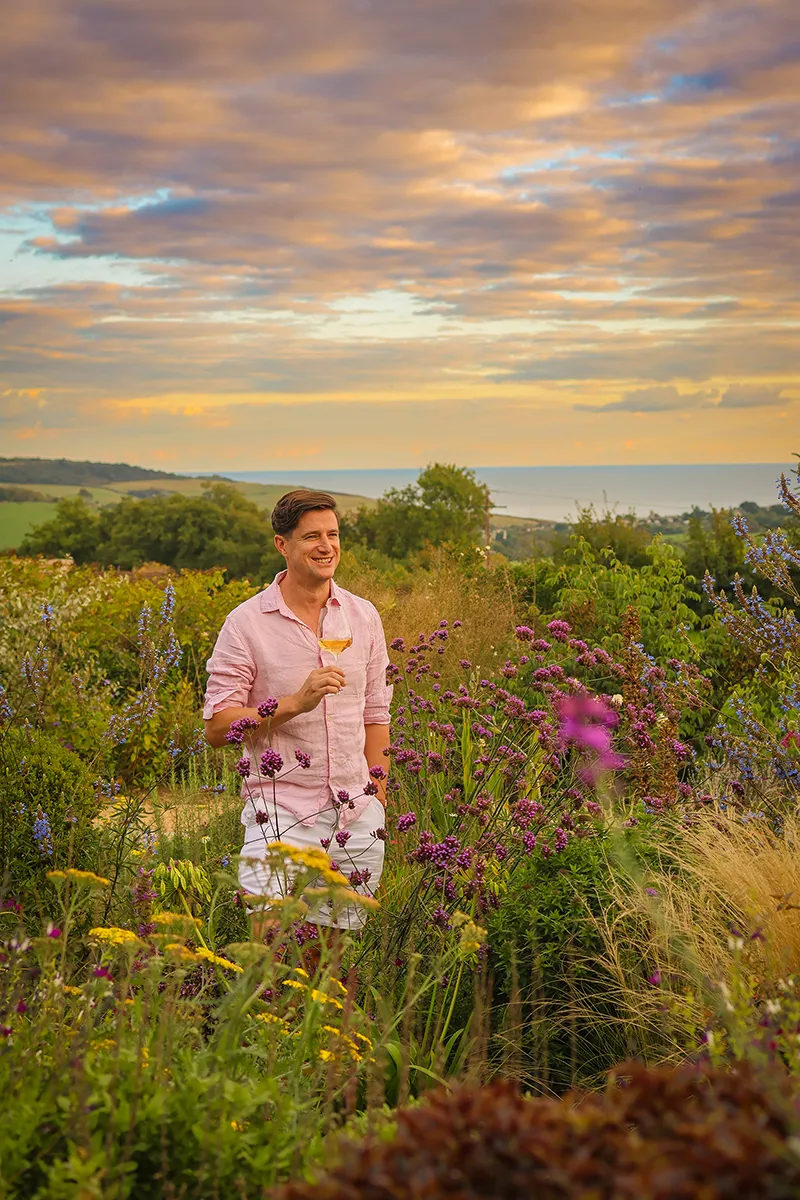
With England’s changing macro climate, a perfect microclimate near the coast, and chalky soil similar to Champagne, there’s been a meteoric rise in English sparkling wine. Louma’s vines currently produce between 7 and 22 tonnes of fruit each year, depending on the season. Made nearby in Kent by Nick Lane (who brings experience from French heavyweights Moët & Chandon, Veuve Clicquot, and Dom Pérignon), the wine is then cellared at the estate. The bottles are currently only available on-site, adding to their desirability.
Operations and Projects Executive Michelle Parish guided us on a hands-on and delicious tour; first through the verdant vineyards, tasting the pre-harvest grapes, then to the cellar to sample the wines. First up, the Cuvée with fine bubbles and a golden hue, having spent two years on lees. The Rosé also displayed a classic French profile with a rose gold colour. The still Chardonnay was the best I’d tasted in the UK yet, with citrus and pear notes and a balanced acidity. Lastly, my favourite: the Pinot Noir’s perfumed nose bursting with rose petals, followed by hints of delicate red fruits.
The vineyards form part of the larger farm, which Head of Farming Rachel Hayball helped me understand as we wound around in her buggy. Our tour included feeding the hens (the Frizzle Pekin Bantam being a particularly fashionable fowl if there ever was one), meeting the dairy cows and being followed by inquisitive sheep.
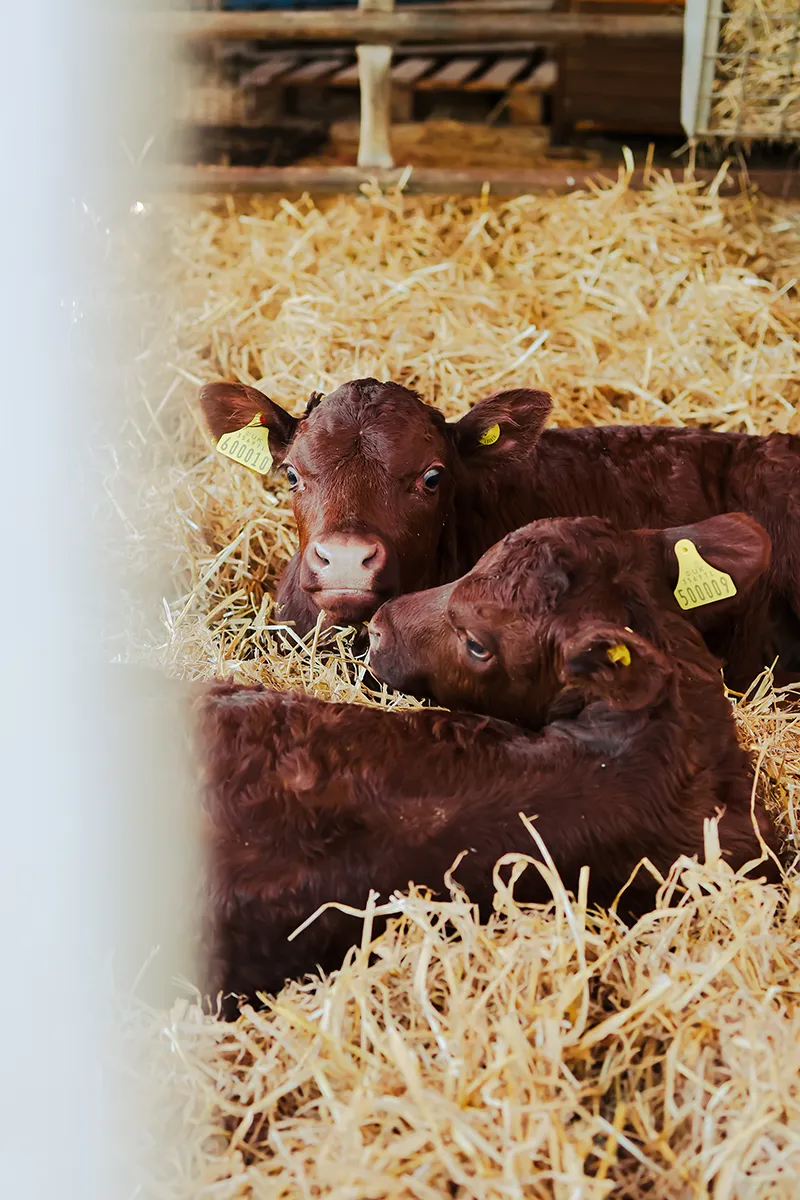
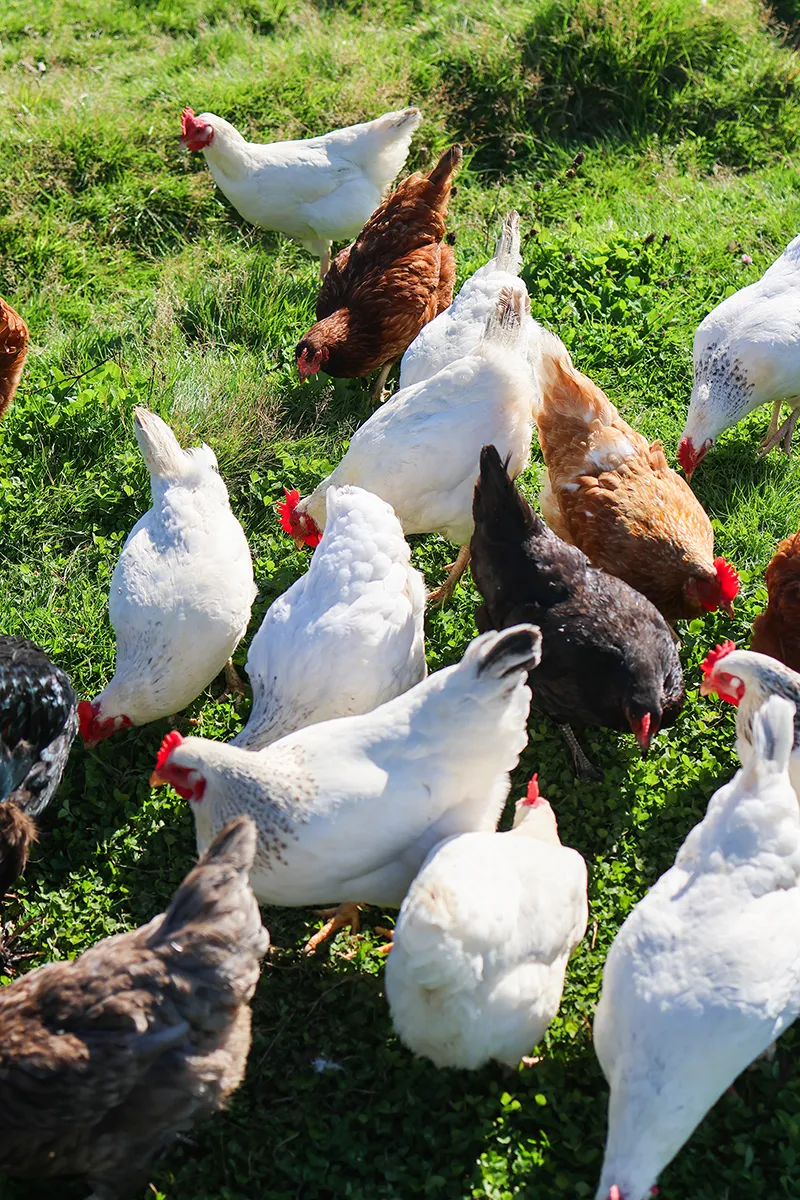
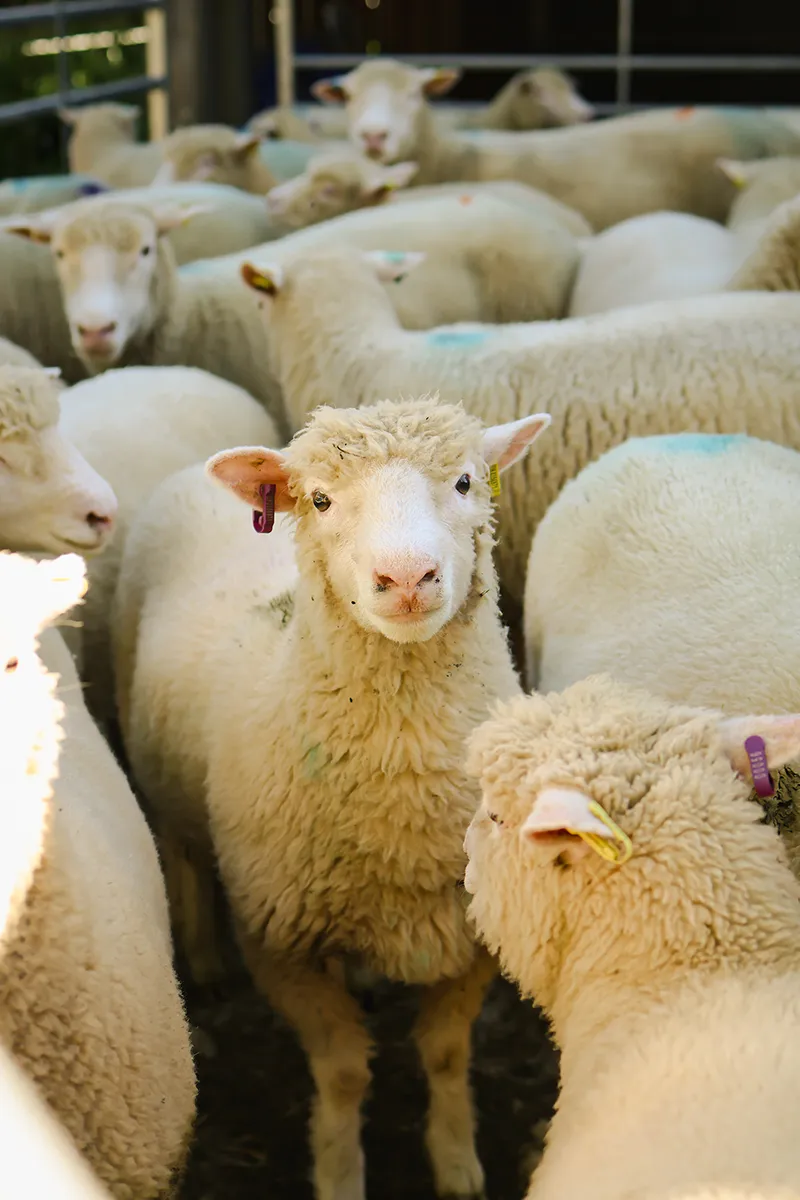
None of the poultry, animals, or produce from the gardens is sold; instead, it sustains the farm. This supports the farm-to-table and nose-to-tail philosophy that underpins Louma’s dining experiences. With all meals included during the stay, guests are encouraged to enjoy breakfast spreads, lunch buffets, and daily-changing dinner menus.
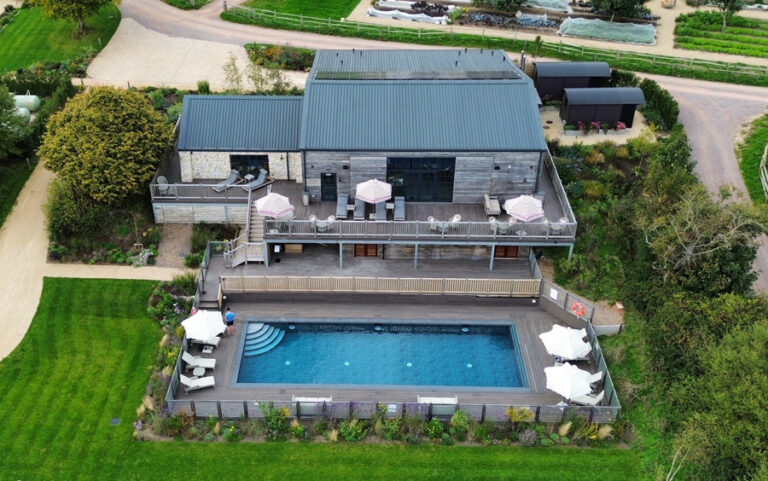
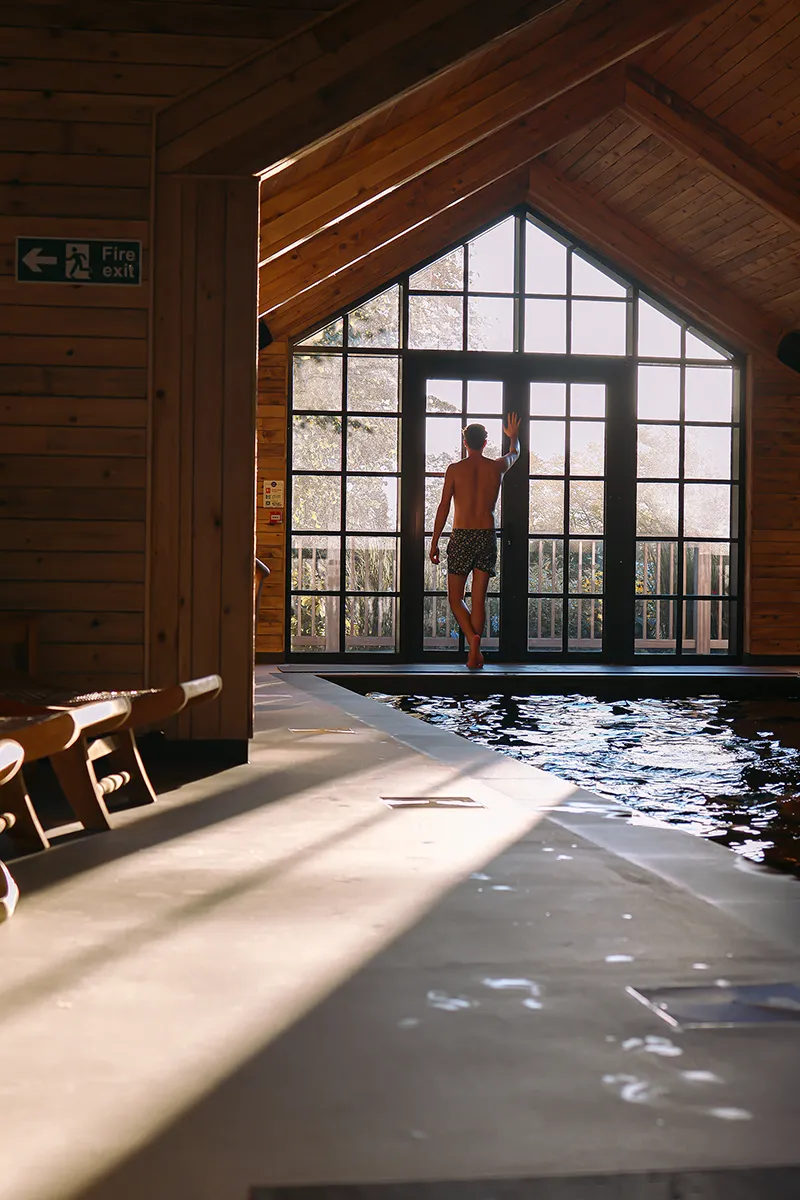
The Wellness Barn invites relaxation with a sauna and heated indoor and outdoor pools. The large wooden structure is mesmerising, especially in the soft morning and evening light, with gentle rays creating a dreamy, almost mystical scene. The barn also houses a very impressive gym, filled with all kinds of fitness equipment. No surprise, considering Emma is a personal trainer and Louis has a passion for MMA. Perhaps the highlight is the two adjacent shepherd huts, where dedicated therapists work diligently to melt away tension and stress.

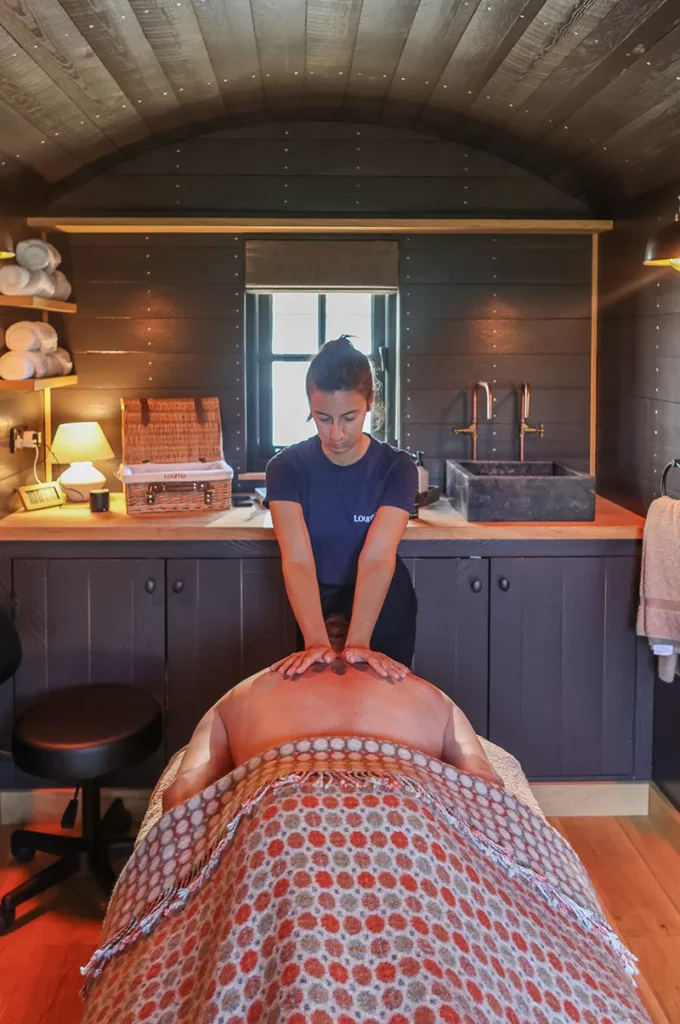
As important as food, sustainability, and wellness were in Louis and Emma’s vision for Louma, headspace was also central: “Nature walks, farm tours, horse riding, and beautiful vistas – all of which we believe are reasons for people to escape to the country. If guests don’t leave feeling calm and reset, then we haven’t accomplished our mission.”
Coasting Along
When it’s time to venture further, Lyme Regis – affectionately called the ‘Pearl of Dorset’ – is just minutes away. With its historic harbour, fossil-strewn beaches, and stunning views of the Jurassic Coast, it’s perfect for beachcombing, coastal walks, and exploring England’s geological history.
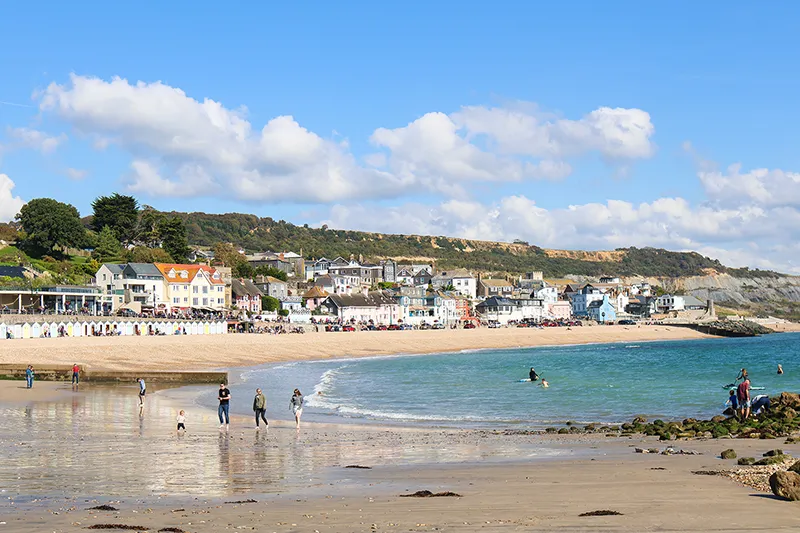
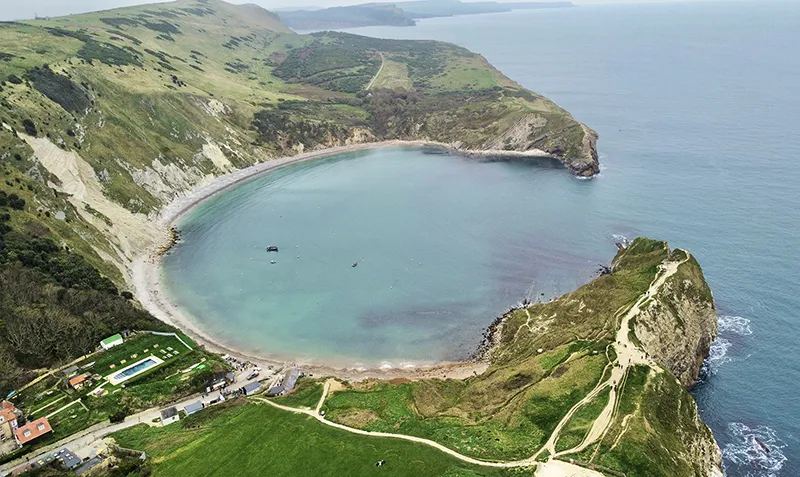
Only an hour away, Lulworth Cove and Durdle Door are two of the most breathtaking spots on the Jurassic Coast. Lulworth Cove has a unique circular bay with crystal-clear waters, and from here, a short hike takes you to the dazzling limestone arch of Durdle Door for jaw-dropping photo ops. I couldn’t help but feel transported to South Africa’s Wild Coast, where striking land peninsulas and rolling green hills also tumble into the ocean.
After a day of exploring, back at Louma, the boma firepit is lit, and I am admiring the sunset cast over the vineyards and sea. A staff member approaches and offers me a Lemon Verbena Margarita. ‘It’s our signature cocktail,’ he says with a faintly familiar accent. ‘Jy’s Afrikaans?’ I ask. ‘Natuurlik,’ he replies. Sipping the citrusy drink, I feel completely at peace, with an uncanny sense of being truly at home.