




By Dr Judey Pretorius
In recent years, menopause has finally entered mainstream conversation. Once considered a taboo topic, it is now receiving the attention it deserves as more women feel empowered to speak openly about their experiences.
For many younger women, menopause feels like a distant milestone, something to think about in their 50s. What many do not realise is that perimenopause, the transitional phase leading up to menopause, can begin much earlier than expected.
What Is Perimenopause?
Perimenopause is the natural transition period before menopause, during which the ovaries gradually reduce their production of oestrogen and progesterone. This phase can last several years and marks the body’s shift from the reproductive years to menopause.
Menopause typically occurs between the ages of 45 and 55, with the average age in Western countries being 51 to 52. Traditionally, women expected perimenopause to begin in their mid to late 40s. However, emerging research suggests that many women are now experiencing symptoms earlier, often in their mid to late 30s or early 40s. While the exact cause is not yet conclusive, lifestyle factors, chronic stress and environmental toxins are believed to contribute.
What Happens to the Body During Perimenopause?
As hormone production declines, a range of physical and emotional changes may occur. Menstrual cycles may become irregular, periods may be heavier or lighter, and some months may be skipped entirely. Mood changes such as anxiety, irritability or low mood can emerge, along with insomnia and fatigue. Many women report brain fog, decreased libido, weight gain, vaginal dryness and headaches. These shifts are largely driven by fluctuating and declining oestrogen levels.
What Happens to the Skin?
Oestrogen plays a critical role in maintaining skin health. As levels decline, so does the production of collagen, hyaluronic acid and natural sebum. One of the most significant consequences is epidermal atrophy, a thinning of the skin’s outer layer caused by a reduced number of epidermal cells. The result is thinner, more fragile skin that may sag more easily.
Perimenopausal skin often becomes drier and more sensitive. Elasticity diminishes, fine lines and wrinkles become more visible, and some women may even experience hormonal breakouts. Understanding these changes makes it possible to adjust skincare routines in a way that supports the skin during this transition.
Managing Perimenopausal Skin Concerns
Dryness
Dryness is one of the most common concerns during perimenopause because the skin produces fewer natural oils. Switching from foaming cleansers and bar soaps to soap free, gentle milky cleansers or cleansing oils can help prevent further dehydration. Washing with warm rather than hot water is important, as hot water strips the skin’s protective barrier. Skin should be patted dry gently instead of rubbed.
Moisturising twice daily becomes essential. Ingredients such as hyaluronic acid, ceramides, glycerine and squalane help attract and retain moisture while strengthening the skin barrier. Adequate water intake and daily use of a broad spectrum SPF are equally important to maintain hydration and protect against UV damage.
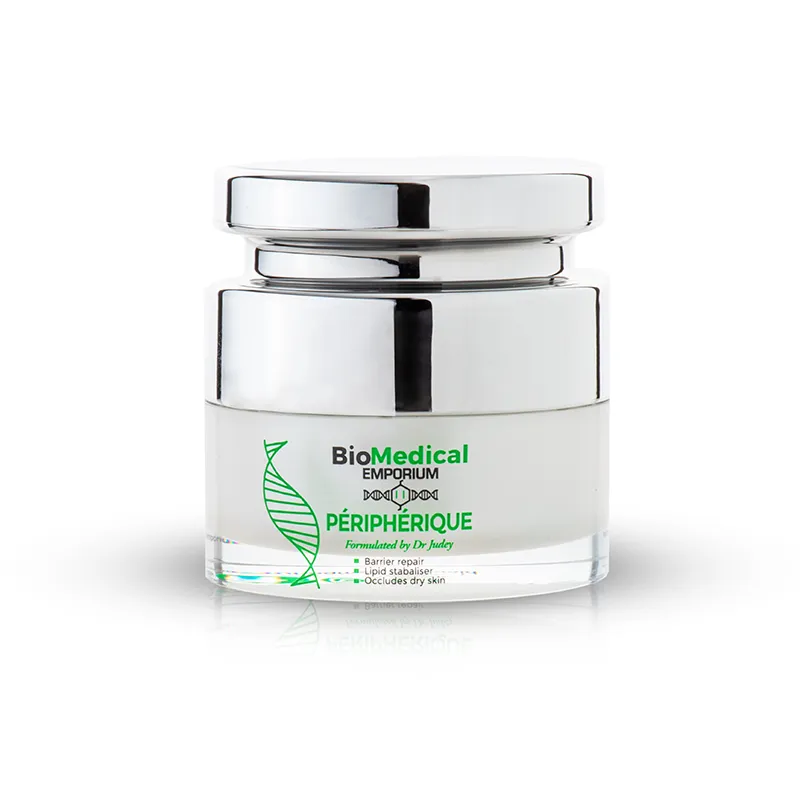
Biomedical Emporium Luminous Milk Cleanser removes impurities while supporting hydration, and Biomedical Emporium Périphérique contains ceramides, peptides, hyaluronic acid and vitamin E to help restore moisture balance and reinforce the skin barrier.
Sensitivity
As oestrogen declines, the skin may become thinner and more reactive. Fragrance free, barrier supporting formulations are preferable, as they reduce the likelihood of irritation. Serums and moisturisers rich in hyaluronic acid and ceramides can help replenish moisture and support barrier repair, while harsh exfoliants and overly aggressive treatments should be avoided.
Internal support also plays a role. Staying hydrated, eating a balanced whole food diet, wearing breathable natural fabrics and opting for lukewarm showers can reduce irritation. Daily sunscreen use remains essential.
Biomedical Emporium HA Contour Masque provides long lasting hydration while helping to restore elasticity and firmness.
Signs of Ageing
Reduced collagen, elastin and hyaluronic acid contribute to visible fine lines and a loss of firmness. Professional treatments such as laser resurfacing, chemical peels, injectables and LED light therapy may provide additional support for those seeking more intensive intervention.
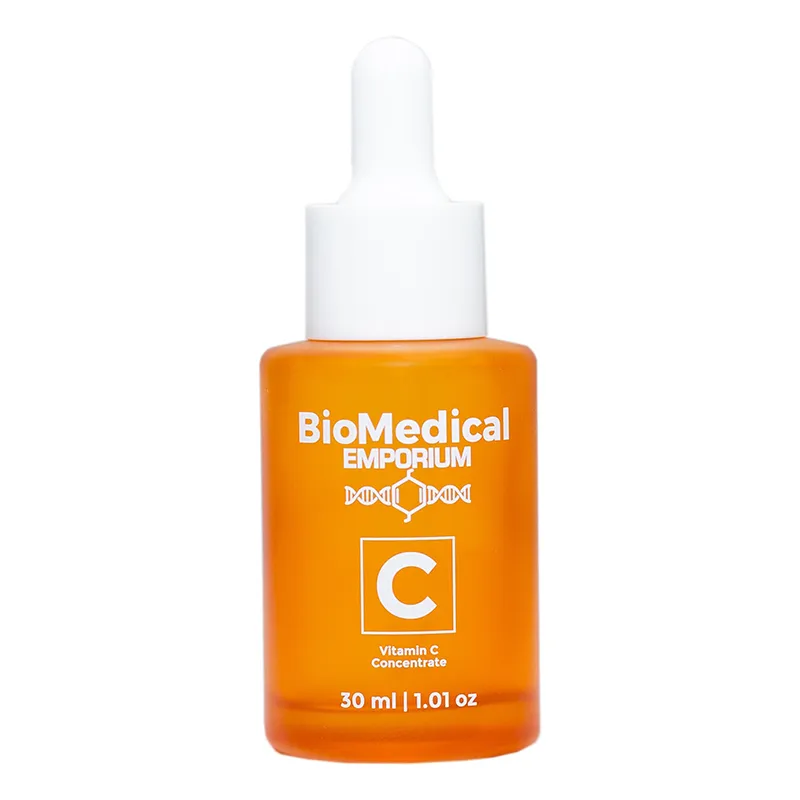
At home, incorporating active ingredients such as vitamin C, retinoids and peptides can help stimulate collagen production, brighten the complexion and improve overall skin resilience. Biomedical Emporium Vitamin C Concentrate is formulated to support collagen synthesis, enhance radiance and protect against environmental damage.
Breakouts and Acne
Hormonal fluctuations can disrupt oil production, often leading to breakouts along the jawline, chin and neck. Cleansing twice daily with a gentle salicylic acid cleanser can help prevent congestion without stripping the skin. Targeted treatments containing retinol, azelaic acid or niacinamide may assist in reducing inflammation and supporting clearer skin.
Lifestyle factors are equally important. Prioritising sleep, managing stress and reducing intake of dairy, refined sugars and highly processed carbohydrates may help lower systemic inflammation and improve skin balance.
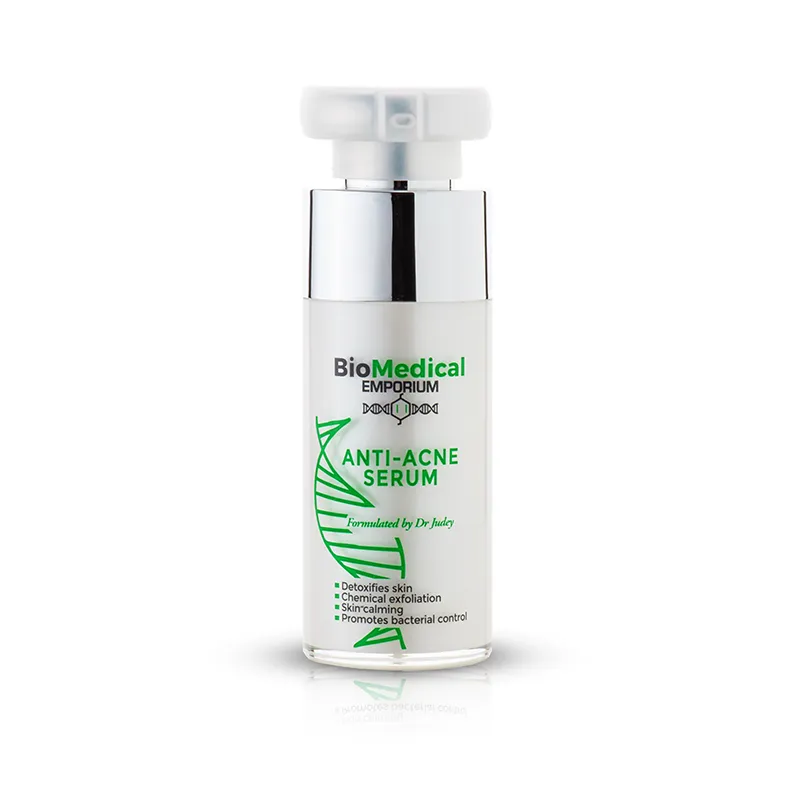
Biomedical Emporium Facial Cleanser gently exfoliates while calming the skin, and Biomedical Emporium Anti-Acne Serum combines retinol, salicylic acid, tea tree oil and niacinamide to help soothe irritation and support clearer skin.
A Targeted Solution for Menopausal Skin
Biomedical Emporium developed Menafique specifically to address the skin concerns experienced during perimenopause and menopause. Biomedical Emporium Menafique Serum is designed to help combat menopause induced epidermal atrophy and restore youthful skin thickness. Formulated with hyaluronic acid, niacinamide, vitamin E and soy isoflavones, it supports hydration, collagen production and improved elasticity.
The result is firmer, healthier looking skin with improved hydration and resilience.