


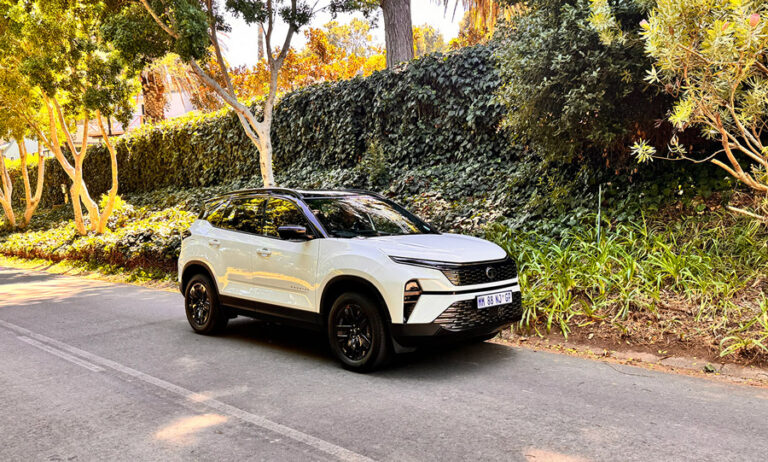

The Tata Harrier doesn’t try to ease into a segment. It arrives with presence, stance and confidence, and immediately feels larger than its positioning suggests.
It looks more expensive than it is, drives with weight and intent, and carries enough character to stand out instantly. But time with it reveals a mix of strong fundamentals, rough edges, and a driving experience that leans more towards character than polish.
In’s and Out’s
Inside, the Harrier leans into a modern SUV layout defined by screens, height, and a solid, upright driving position. Visibility is great, and the cabin immediately delivers that commanding SUV feel.
Trim levels typically range from more functional entry variants to higher-spec models with larger infotainment systems, panoramic roof options, upgraded upholstery, and enhanced driver assistance features. Higher trims feel more tech-forward, while base versions focus on core SUV functionality.
The infotainment screen is large and visually strong, but touch response can be inconsistent, especially while driving. The overall layout feels modern, though usability sometimes lags behind design intent.
Front space is good with a confident seating position, but storage packaging in the centre console feels slightly compromised for the segment. Rear space is comfortable for everyday use, though not class-leading in flexibility.
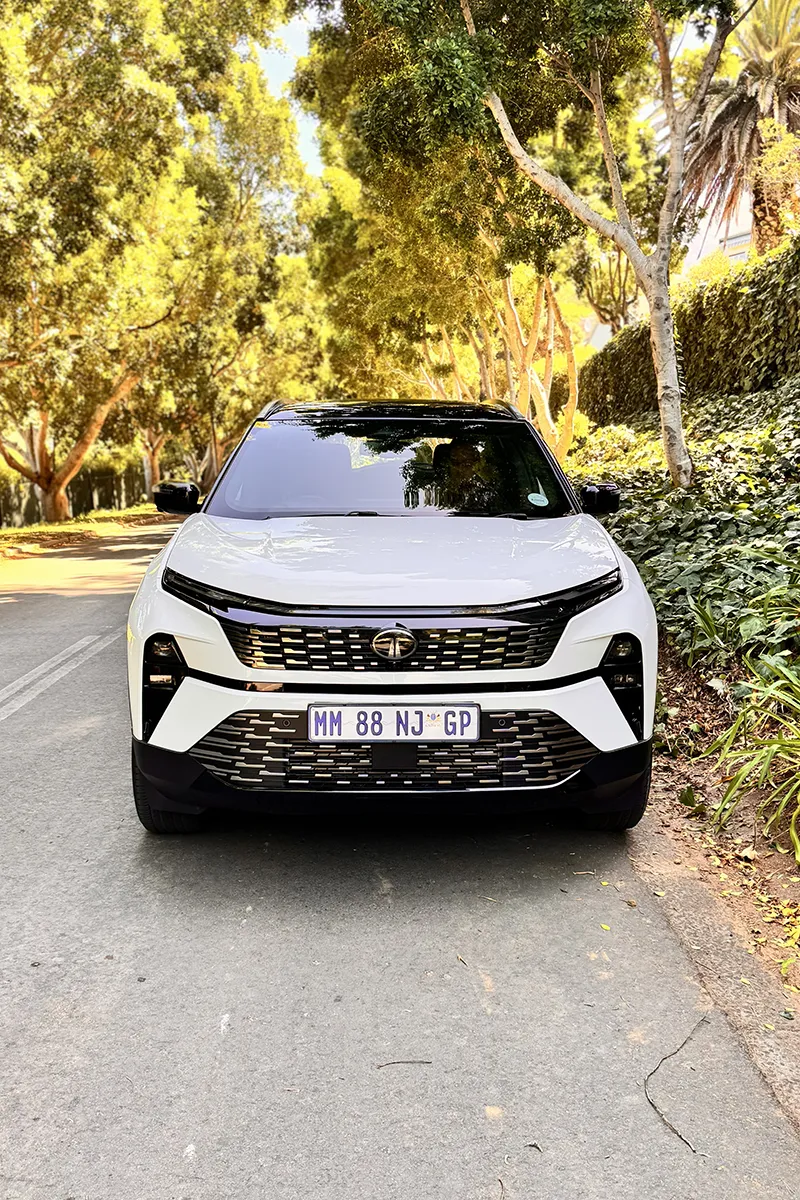
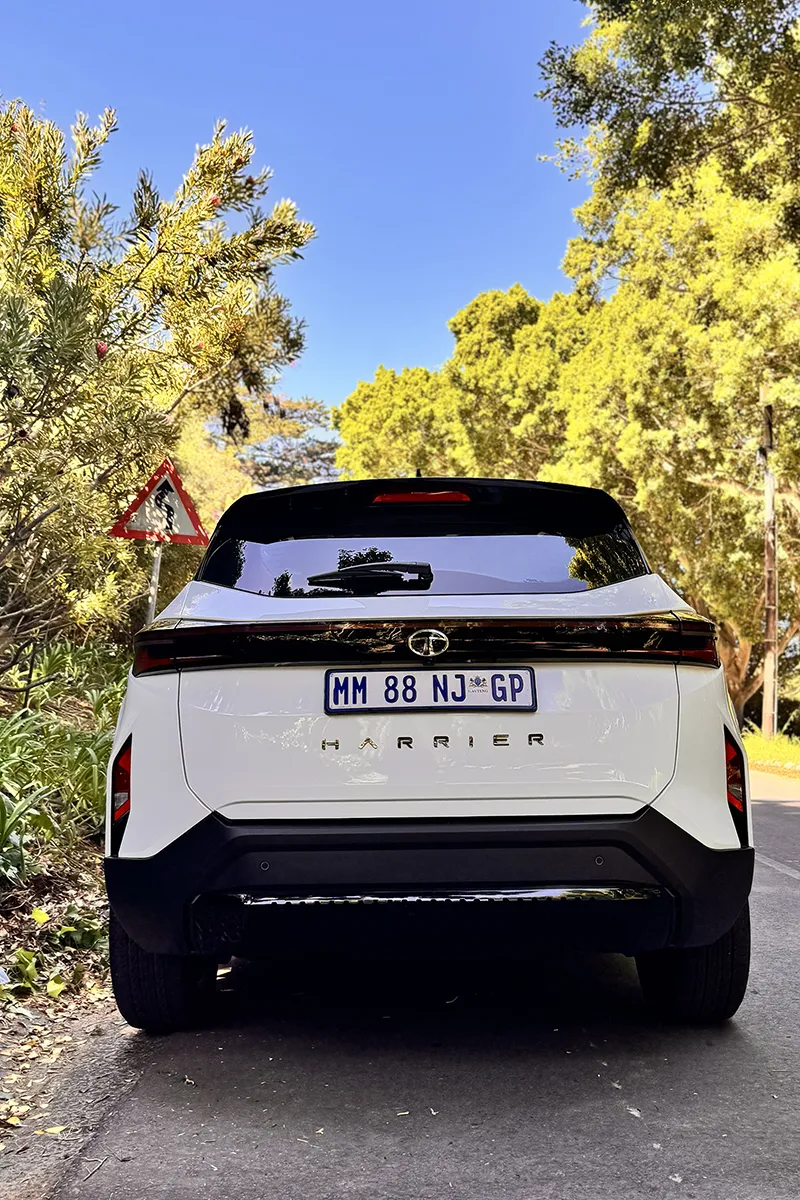
From the outside, the Harrier is at its strongest. It has real road presence, with muscular proportions, a wide stance, and a design that looks more premium than its price point suggests.



Engine and Driving Feel
Power comes from a 2.0-litre 4-cylinder turbo-diesel producing 125kW and 350Nm, paired with a 6-speed automatic transmission (front-wheel drive).
Performance is steady rather than sharp. It completes 0–100 km/h in roughly 10–11 seconds, placing it firmly in the relaxed, mid-paced SUV category.
Fuel consumption is rated at 6.6 L / 100 km (claimed), which is competitive for a diesel SUV of this size and output.
Drive feel is shaped more by ease than urgency. City driving is relaxed, overtakes are handled without stress, and it settles comfortably into highway cruising.
Ride quality is solid but slightly firm, dealing with rough surfaces competently while maintaining a more utilitarian edge than plush refinement.
Steering is light and easy in town, but becomes slightly vague at higher speeds, which reduces precision during faster driving.
Three drive modes are offered: Eco, City and Sport. Eco prioritises efficiency, City is the balanced everyday setting, and Sport sharpens throttle response slightly, though the overall character remains calm and unhurried regardless.
Show Me the Money Honey
The Tata Harrier sits in a value-driven mid-size SUV segment where size and presence are as important as specification.
The range starts at R549,900 for the Pure+, moves through mid-spec Adventure+, and tops out at approximately R699,900 for the Fearless+. Each step adds more equipment, refinement touches, and comfort-focused upgrades, with the top end feeling meaningfully more premium in execution.
Ownership includes a 3-year / 100,000 km warranty, with service intervals around 10,000 to 15,000 km or one year, depending on usage.
What it ultimately delivers is strong perceived value for money, especially when viewed through the lens of size, presence, and equipment at the price point.
What I Liked
It has undeniable presence, feeling larger and more expensive than its positioning suggests.
It is easy to live with once you adapt to its character, working well as a straightforward daily SUV.
On the open road, it is stable and relaxed, which suits its personality.
A Few Things to Consider
The alert system is overly sensitive and often too loud, becoming intrusive in traffic rather than helpful. It’s very hard to look past to be honest and, for me, takes away from my attention on the road.
At higher speeds, steering lacks precision and feedback, which affects confidence slightly.
Final Verdict
The Tata Harrier is a strong, characterful SUV that delivers on space, presence and everyday usability.
It is not a refined benchmark product, and it has quirks that become more noticeable over time, particularly around alerts, steering feel, and cabin polish.
But taken on its own terms, it makes sense. It is not trying to be subtle or sophisticated, but solid, capable and visually dominant. And in that, it succeeds. Find a way to turn off those alerts and we’ll sit at an A rating.