


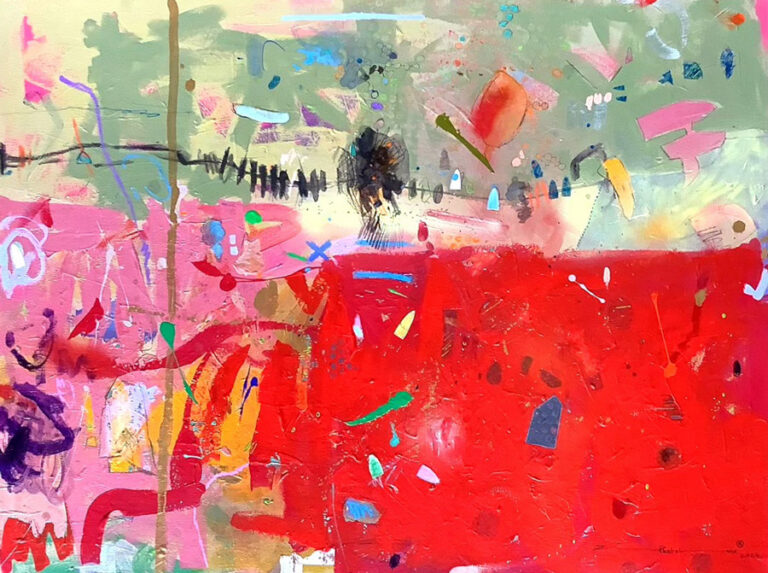

Zolile Petshane’s latest body of work turns colour, texture and abstraction into a powerful meditation on economics, inequality and the people rebuilding from the ground up.
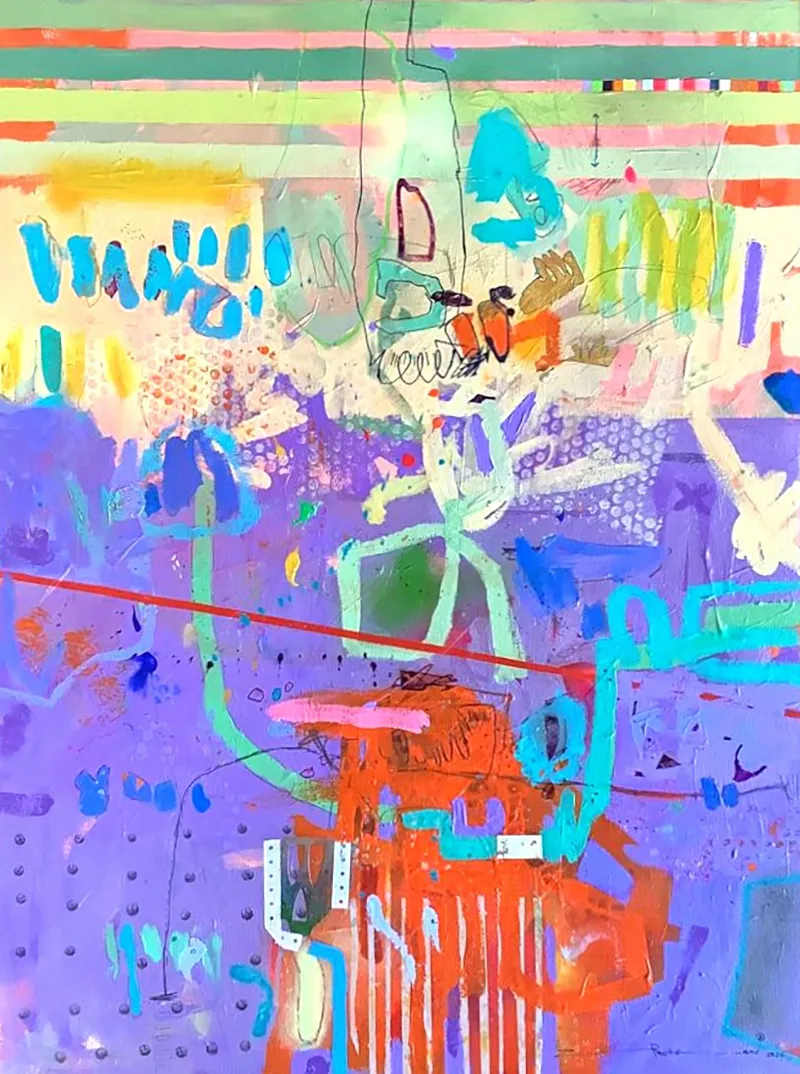
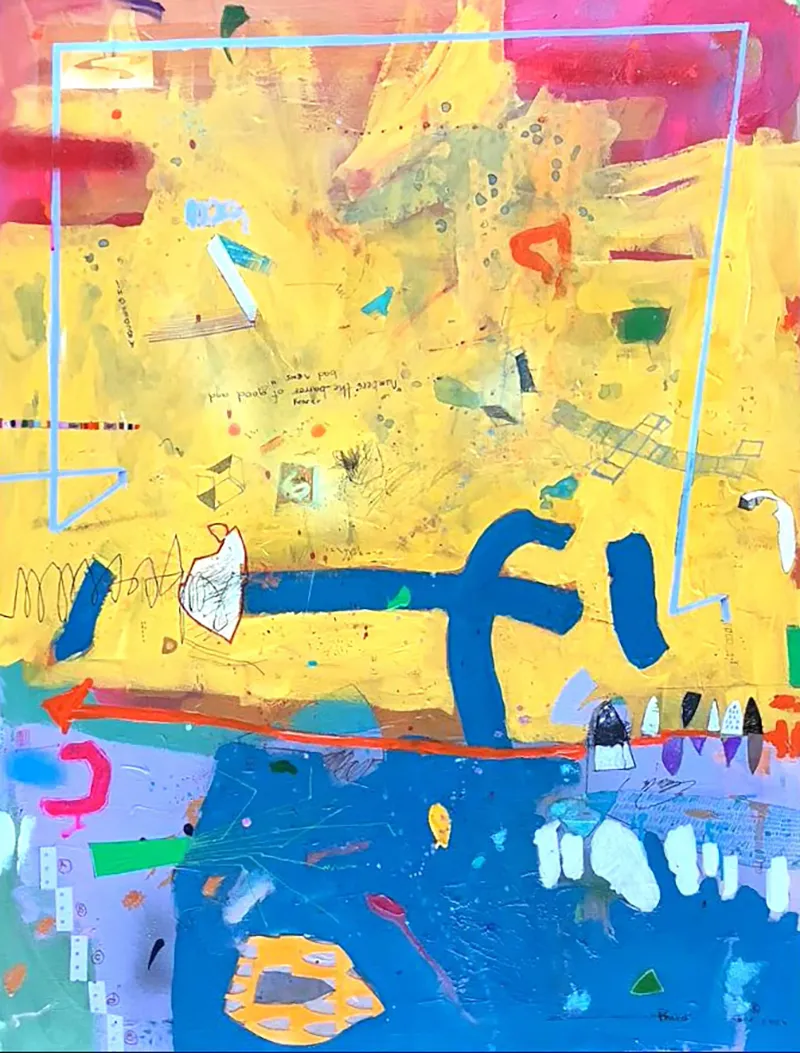
At first glance, Zolile Petshane’s paintings pull you in with colour. Rich fields of pigment collide, overlap and fragment across the canvas, creating energetic compositions that can feel almost landscape-like. Look closer, and another story begins to emerge. Scratched surfaces, fragments of words, numbers, symbols and restless marks reveal an artist asking difficult questions about the world around him.
It is this tension between beauty and urgency that lies at the heart of Brick by Brick, Zolile’s current solo exhibition.
Born in 1973, the Johannesburg-based artist has spent decades developing a distinctive abstract language. After studying printmaking at the renowned Artist Proof Studio in Johannesburg, he went on to complete an Advanced Diploma in Fine Arts at the University of Witwatersrand in 2007, under the supervision of Professor Karel Nel. His work has since been exhibited extensively both locally and internationally, and is held in corporate collections as well as the permanent collection of the Johannesburg Art Gallery.
Working across pastel, acrylic and mixed media, Zolile builds his paintings layer by layer. Colour becomes a language, carrying suggestions of memory, belief, consumer culture and politics. Numbers and fragments of text appear almost like visual notes, offering clues without spelling everything out.
In Brick by Brick, that language takes on a particularly pointed subject: the economy and the systems that shape everyday life.
GDP may be one of the most frequently quoted measures of a country’s economic health, but for Zolile, the numbers can feel disconnected from the people they are supposed to represent. When governments fail to create the conditions for meaningful job creation and sustainable growth, borrowing can become a solution that creates another layer of debt and dependence.
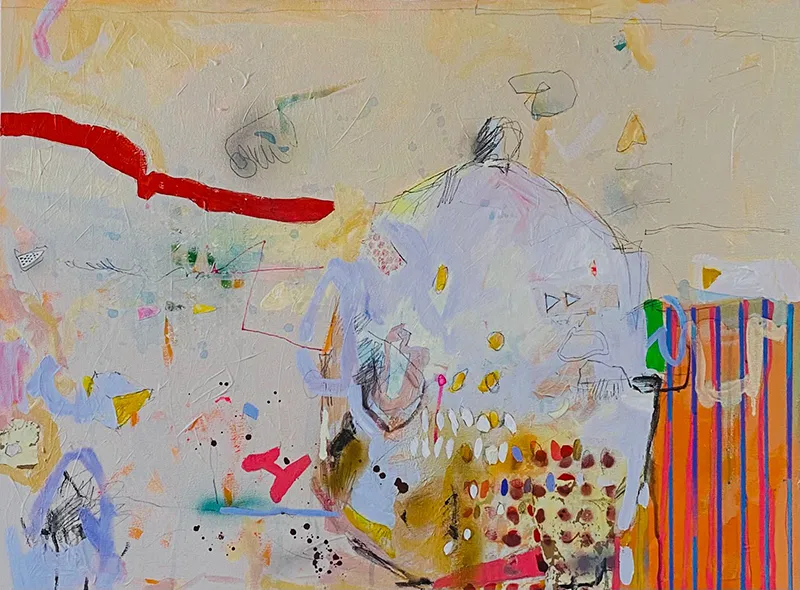
Rather than illustrating these ideas literally, Zolile translates them into abstraction. Economic language becomes colour, texture, gesture and accumulation. The resulting works feel busy and unsettled, reflecting systems that are complex, interconnected and often difficult to navigate.
Yet Brick by Brick is not simply an exercise in criticism. A more hopeful narrative runs through the work.
Zolile turns his attention towards the people who keep building regardless: the trader, the entrepreneur, the informal worker, the hustler and the individual finding ways to create opportunity where formal structures have failed to provide it. They are the people constructing their own economic futures, one small piece at a time. Brick by brick.
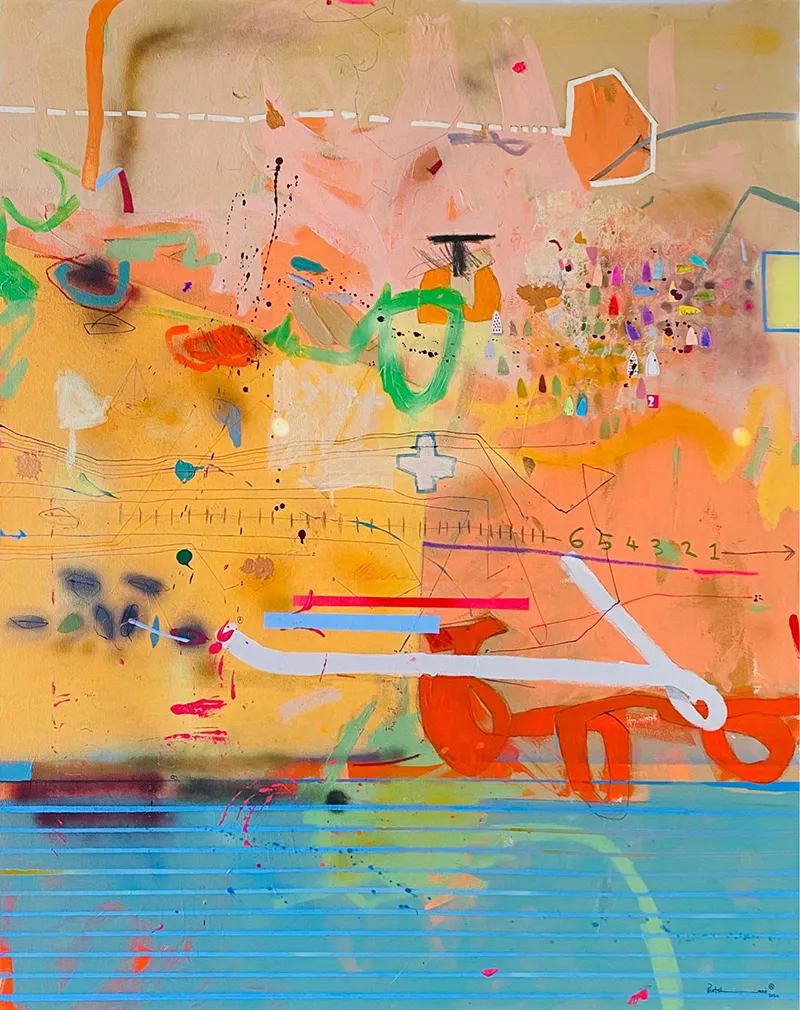

That idea is echoed in Zolile’s own approach to painting. His canvases are built through accumulation, with layers of colour and mark creating a complex whole. Surfaces are worked, disrupted and worked again, encouraging the viewer to move beyond the initial impact of colour and spend time with what lies underneath.
The longer you look, the more you find. And perhaps that is the point. Zolile does not offer easy answers. Instead, he asks us to look more closely at the structures surrounding us, the numbers we are given, the promises made in the language of growth and development, and the people whose ingenuity keeps economies moving.
In Brick by Brick, abstraction becomes a way of making the invisible visible. It is colourful, layered and visually compelling, but beneath all that energy is a serious question: when the systems designed to build prosperity fall short, who picks up the pieces?
Zolile’s answer is found in the people who keep building. One brick at a time.